

























































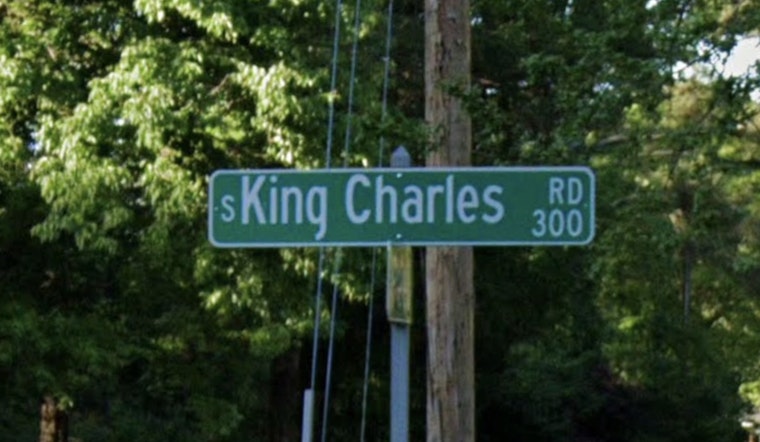
Raleigh City Council has signed off on a hotly debated rezoning for a 0.69-acre lot on South King Charles Road, wiping away a long-standing neighborhood conservation overlay and opening the door for the property owner to carve the site into multiple home lots. The move, which split neighbors and drew pointed warnings about eroding local land-use protections, followed months of meetings, emails, and public comment at City Hall.
What the council approved
The vote changes 319 S. King Charles Road from an R-4 district with the King Charles South Neighborhood Conservation Overlay to a zoning category that allows a higher residential entitlement, according to The News & Observer. Council backed the rezoning on a 7-1 vote, with Councilwoman Stormie Forte casting the lone “no,” the outlet reported.
City records and the rezoning filing show the lot is about 0.69 acres. Applicants Patrick and Sarah Madigan attached conditions that cap any future subdivision at four total parcels and limit principal dwellings to detached houses, not townhomes or apartment-style buildings, according to the City of Raleigh rezoning application.
What the change actually does
Removing the Neighborhood Conservation Overlay District (NCOD) lifts several lot-size and setback rules that had restricted how the site could be split, allowing smaller lots and more overall entitlement on a property that was previously governed by tighter local standards. The city’s public engagement portal lists the request as Z-49-25 and describes the technical shift from R-4 with NCOD to R-6-CU, which staff and the Planning Commission both found consistent enough with city policy to recommend approval. PublicInput.com materials and the filing outline the applicant’s plan to subdivide and add up to three new homes alongside the existing 1955 cottage.
Public property records show the Madigans paid about $155,000 for the lot in early 2017, with a 2025 tax assessment of roughly $367,173 now on the books. Zillow reflects the same sale and assessment history.
Neighbors pushed back at the meeting
Nearby residents turned out to oppose the change, some carrying signs and urging council members not to chip away at neighborhood rules one lot at a time. They argued that case-by-case rezonings like this could steadily undermine neighborhood character and long-term planning.
Christian Anastasiadis, a critic quoted in coverage, warned that the move weakens the very purpose of neighborhood protections and worried about the precedent for other small-lot areas, according to The News & Observer.
Supporters of the rezoning countered that the change adds to Raleigh’s strained housing supply in a part of the city where demand keeps climbing, and at least one resident told council they welcomed more homes nearby. The debate replayed a familiar Raleigh dynamic, with faster-growth advocates on one side and neighborhood preservation voices on the other.
How this fits into Raleigh’s larger growth fight
The King Charles decision lands amid a broader Triangle fight over “missing middle” housing and neighborhood overlays, and it comes as other development disputes move through the courts. In a separate example, Raleigh Country Club has gone to court in an effort to undo approval of a 16-unit townhome project nearby, a case that has already reached Wake County Superior Court and added fuel to neighborhood anxieties about what might be built next. Yahoo News has detailed how that suit is shaping the conversation.
Attorneys and housing advocates say such lawsuits can slow or chill small-scale projects even when city staff deem them consistent with the comprehensive plan and updated zoning rules. The legal battles underscore how state and local policy shifts intersect with long-standing neighborhood protections, creating plenty of uncertainty for both builders and residents.
What comes next
The Madigans’ rezoning is now officially on the books, but the political dust is not likely to settle quickly. Opponents still have the option to pursue legal appeals, and the decision is expected to surface at future neighborhood meetings and Planning Commission discussions.
Next up on the public radar will be city staff reviews and any subdivision plats that spell out how the four-home layout would look. Meanwhile, Raleigh’s larger debate over how and where to trade larger-lot single-family zoning for denser homes in transit-accessible areas is almost certain to roll on.



