

























































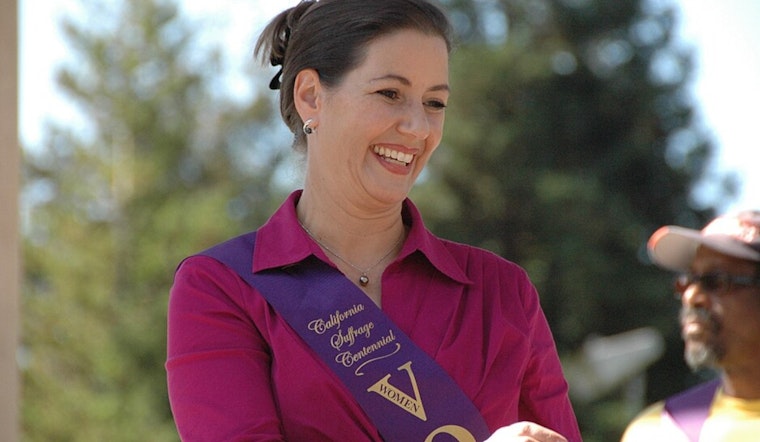
Libby Schaaf is back in the center of Bay Area politics, this time from the business side. The former Oakland mayor was named today as the next president and CEO of the Bay Area Council, the region’s leading business advocacy group. Her hire drops a familiar City Hall figure into a high-profile seat that will help steer housing, transit and energy policy across the nine-county region, following a board-led search that began late last year.
What Schaaf Will Focus On
According to the San Francisco Business Times, Schaaf has told the Council she will prioritize transit, housing, attracting and retaining business talent, and energy generation. Those priorities align closely with the Council’s recent public agenda and set the stage for a year of lobbying and coalition-building ahead of major funding decisions expected in 2026.
From City Hall to Regional Advocacy
Schaaf served as Oakland’s mayor from 2015 through 2023 and has remained active in regional planning and housing work, as noted in her UC Berkeley profile. ABC7 has reported she is also a candidate for California state treasurer, keeping her in the political spotlight even as she steps into a private-sector leadership role. Her record at Oakland City Hall on housing and infrastructure is expected to shape how she frames the Council’s policy push.
Council In Transition
The Bay Area Council has been in a leadership handoff for months. Chief Operating Officer John Grubb was tapped as interim CEO last November after longtime leader Jim Wunderman announced his departure, and the board formed a search committee in December 2025 to recruit a permanent successor, according to the Council’s newsroom. Bay Area Council press releases also underscore that the organization counts hundreds of major employers among its members across the region.
Why It Matters For the Region
Schaaf takes over as Bay Area transit agencies stare down looming operating shortfalls and lawmakers weigh a regional funding measure that could land on the November 2026 ballot. The Council has argued that these decisions will need a strong and coordinated business voice at the table.
The Metropolitan Transportation Commission and Plan Bay Area have both warned that without new revenue and a possible state loan, transit agencies could impose significant service cuts in fiscal year 2026-27. Reports from MTC and Plan Bay Area lay out the size of that financial gap and highlight why business advocacy groups like the Bay Area Council are poised to influence what happens next.
For local officials and regional power players, the question now is whether Schaaf can convert her City Hall experience into cross-county coalitions that actually move votes and dollars. By choosing a former mayor, the Council has placed a seasoned political operator at the center of the Bay Area’s biggest policy fights as the 2026 ballot and budget battles approach.





.jpg)