

























































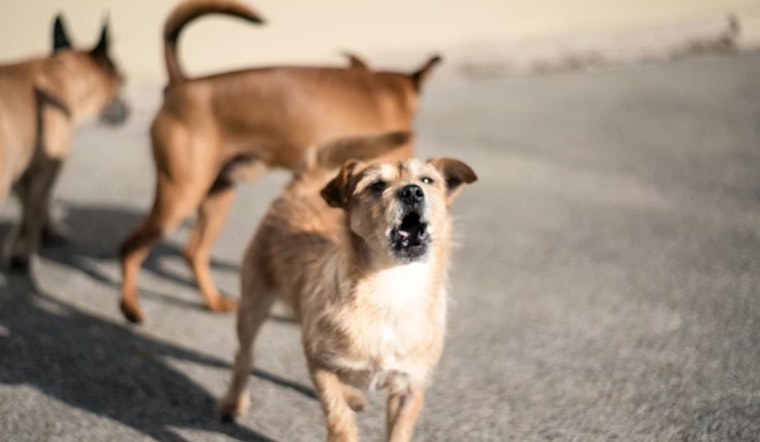
With spring crowds pouring back onto Metro Detroit’s sidewalks and into neighborhood parks, dog trainers and public health officials are pushing for a quick refresher on how to handle loose or unfamiliar dogs. Those first few calm seconds can be the difference between a harmless close call and a serious bite, whether that means standing your ground instead of bolting or shielding your neck if you end up on the ground. Here is what local trainers and city agencies say to do.
Recent local coverage has documented a troubling run of serious incidents, including multiple maulings and at least one child hospitalized. As reported by WXYZ, trainer Michael Burkey says people usually underestimate both the speed and the impact of an attacking dog, which is why simple, steady responses matter.
How to react when a loose dog approaches
If an unfamiliar dog starts heading your way, trainers say the worst move is to run, since that tends to flip a chase switch in the animal. Michael Burkey, CEO of Michigan Dog Training, advises people to stop and stand still, skip the hard stare, and instead glance slightly off to the side while using a calm, low voice and slowly backing away to shield the core of the body. He also suggests using a basic command like “sit” and keeping a small deterrent or treats on hand to redirect an approaching dog, according to ClickOnDetroit.
If a dog attacks
If an encounter tips over into an attack, trainers say the priority is protecting your torso and getting help, not trying to fight the animal head on. Demonstrations shown by WXYZ and other local outlets recommend staying as still as possible and keeping your core covered. If you are knocked down, they advise curling inward and using your arms to guard your head, neck, and ears while yelling for help. Medical care for any bite that breaks the skin is essential, and authorities say you should seek treatment whenever that happens.
Helping someone else
Watching a child or neighbor get bitten can trigger an urge to dive in and grab the dog, but Burkey cautions that reaching for the collar often earns the rescuer extra bites. Instead, trainers demonstrate a “wheelbarrow” technique. You lift the dog by its hind legs, then pull back and turn with the dog to pull it off the victim, while keeping your own safety in mind, per ClickOnDetroit. If you cannot safely step in, they say the right move is to call for professional help immediately.
Carry a deterrent and prevent encounters
For people who regularly walk in areas where loose dogs are common, trainers recommend carrying something that can deter or distract a charging animal, such as a small pouch of treats, an air-based “pet corrector,” or citronella spray, and keeping your own dog on a leash. Michigan Dog Training emphasizes that prevention through training, socialization, secure fencing, and proper licensing is the most reliable way to cut down on confrontations. Leash laws and up-to-date vaccinations also play a key role in keeping neighborhoods safer.
Report dangerous or loose animals
When you run into an unrestrained or threatening dog, Detroit animal control officials want to hear about it. Residents are asked to report such animals to Detroit Animal Care & Control at 313-224-6356 or to the non-emergency police line if the situation is not urgent, according to the City of Detroit. If a dog is posing immediate danger, the city advises calling 911 and giving details such as the location, color, and possible breed when speaking with DACC. Officials say that keeping multiple reports on file helps them prioritize removals and better protect the public.
These steps cannot prevent every bite, but trainers and public health organizations say that basic caution and quick reporting go a long way toward lowering the odds. The CDC notes that responsible pet ownership, close supervision of children around dogs, and following leash and vaccination rules all help reduce bite risks. More information is available from the CDC.





