

























































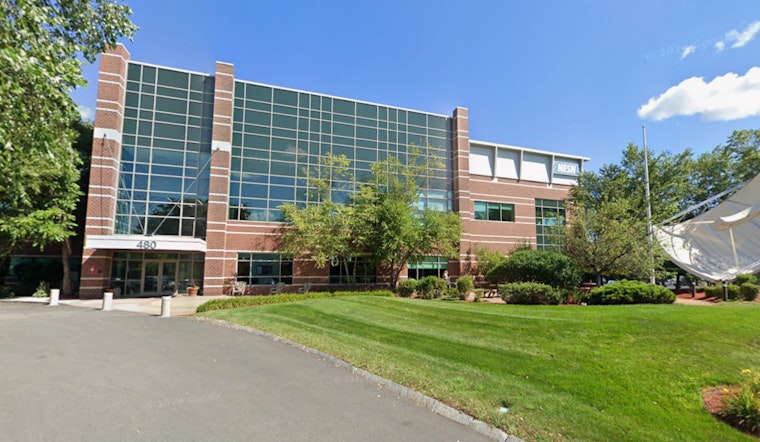
Lyra Therapeutics is shrinking its Boston-area footprint, cutting loose two sizable lab and office leases in Watertown and Waltham and agreeing to pay roughly $2.5 million in termination costs, according to regulatory filings and local reporting. The biotech is moving up the end dates on both deals to late May 2026, after earlier layoffs and a pullback on development of its lead drug candidate.
In a Form 8-K filed with the Securities and Exchange Commission, Lyra reported that it signed an Agreement for Termination of Lease and Voluntary Surrender of Premises with ARE-480 Arsenal Street, LLC on March 31, 2026, covering about 22,343 rentable square feet at 480 Arsenal Way in Watertown. That lease, for the company’s headquarters space, will now end no later than May 31, 2026. The same filing notes that Lyra entered a Lease Termination Agreement with BXP Waltham Woods LLC on April 7, 2026 to end its lease for roughly 28,858 rentable square feet at 880 Winter Street in Waltham, pulling the expiration up to May 31, 2026 instead of the original 2033 end date. SEC documents spell out the termination terms and timelines.
Those exits will cost Lyra an estimated $2.5 million in termination-related payments, and the company will also surrender security deposits that were posted as letters of credit, the Boston Business Journal reported. The outlet first dug into the filings and pointed out that the lease moves landed after sharp headcount cuts earlier this year, when Lyra halted work on its lead program. Boston Business Journal was first to detail the lease-termination agreements.
Lyra’s SEC filing breaks out the numbers. For the Watertown headquarters space, the company agreed to forfeit a $302,514.84 letter of credit and pay a $1,000,000 lease-modification payment. For the Waltham property, Lyra agreed to forfeit a $1,089,389 letter of credit and pay a $1,500,000 termination fee. The Watertown agreement also includes a contingent payment clause stating that Lyra would owe 10% of the net cash from a future sale transaction, capped at $1.5 million. The disclosure notes that rent obligations for both leases had already stopped earlier this year. Those specific figures and terms are drawn from the company’s SEC filing.
Local Real Estate Ripple
Roughly 51,200 rentable square feet suddenly heading back to the market lands at a tense moment for suburban life-sciences landlords, who have been watching demand soften and seeing more small public and private biotechs struggle with rent. Lyra had already received notice of default and invoices tied to unpaid rent as it shifted toward a wind-down and explored strategic alternatives, according to coverage that followed the company’s filings and landlord communications. Investing.com highlighted the earlier default notice and Lyra’s effort to resolve its lease liabilities outside a bankruptcy process.
Background: Layoffs and Wind-Down
The real estate retreat is part of a broader contraction that began earlier this year, when Lyra cut most or all of its staff while suspending development of LYR-210 and seeking buyers or other strategic options. Local reporting in January described deep workforce reductions and a pivot from active drug development toward a structured wind-down, with advisors brought in to evaluate alternatives. Boston Business Journal outlined the layoffs and set the stage for the subsequent lease exits.
What’s Next for the Buildings and the Company
The termination agreements include mutual releases between Lyra and its landlords that take effect on the termination date. That should limit further landlord claims and clear the path for both properties to be remarketed or re-tenanted. Lyra’s disclosures state that the company is still engaged in strategic discussions, and that any sale or similar transaction could trigger contingent payments to the Watertown landlord under the terms of that deal. Coverage that reproduces the 8-K language has mapped out those next steps for Lyra and the two buildings. Stocktitan presented the filing details and the associated timelines.
For Watertown and Waltham, two key pockets of the Boston-area life-sciences ecosystem, the departures are another reminder of how quickly demand can reverse when small public biotechs pull back or stall out. Landlords and brokers will now decide whether to market the space to replacement lab tenants, reconfigure it, or pitch it to non-lab users as the region absorbs yet another block of available space.



