

























































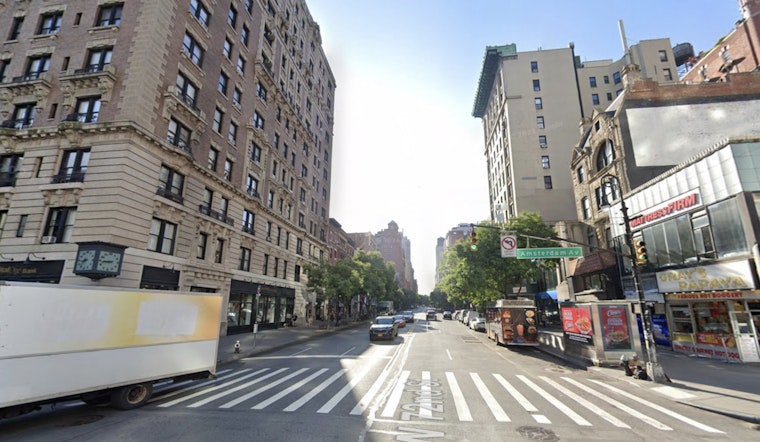
The Mamdani administration and the city Department of Transportation are rolling out a bold proposal for 72nd Street: a river-to-river, two-way protected bike lane that would finally stitch together the Hudson River Greenway and the East Side Greenway through Central Park. The draft design splits the corridor into western and eastern sections, with the west side sketched out as a parking-protected, bidirectional bike track while the east side remains under study. DOT is slated to show its initial plans to Community Board 7 on April 14, 2026. Cyclists and many local officials are treating the idea as the long-awaited crosstown link, while some neighbors and drivers are already bristling over potential losses of traffic lanes and on-street parking.
What DOT Told Community Boards
At a recent Upper East Side meeting, DOT representatives outlined a full corridor redesign that would run from Riverside Drive on the west to York Avenue on the east, with protected bike lanes in both directions, plus pedestrian islands and a center turn lane, according to Patch. Patch also reports that DOT will present the Upper West Side portion to the transportation committee of Community Board 7 on April 14 and that planning for the east-side segment remains unfinished.
Design Details For The West Side
The draft concept for the western leg of 72nd Street, between Riverside Drive and Central Park West, calls for two lanes of bicycle traffic, one westbound and one eastbound, separated from moving cars by a lane of parked vehicles, according to the New York Daily News. That reporting also notes that on parts of West 72nd Street, the plan would trim moving motor-vehicle lanes from four down to two to free up space for the bikeway. In a statement to the Daily News, Transportation Commissioner Mike Flynn said the project is intended to create a "safe, seamless, crosstown connection between the Hudson River Greenway, Central Park and the East Side Greenway."
Long-Running Push And Local Politics
The 72nd Street plan arrives after years of lobbying and local wrangling. Transportation advocates and residents have been pressing for crosstown protected lanes near Central Park for close to a decade, and Community Board 7 has repeatedly urged DOT to study 72nd Street as a candidate route, as Streetsblog and neighborhood coverage have documented. Earlier reporting also details CB7 votes and public meetings going back to 2020 that specifically called for a protected two-way lane on 72nd Street from the park to the Hudson, underscoring how long this idea has been in circulation; see West Side Rag for that earlier board coverage.
Next Steps
DOT's April 14 presentation to Community Board 7 is the next big public checkpoint. Patch notes that the agency plans to use the meeting to walk neighbors through the West Side concept and field questions. The eastern stretch, between Fifth Avenue and York Avenue, is still being refined, and DOT officials have floated different timelines for when that portion will head to Community Board 8, so more board reviews and public comment rounds are on deck before any construction crews show up. Expect weeks of testimony, design revisions and follow-up technical studies before the city settles on a final schedule.
Why It Matters
Planners argue that a protected, continuous 72nd Street route would help tie together Manhattan's greenway system and make crosstown bike trips safer and quicker at a moment when the city is rethinking how it uses curb space. Advocacy groups have pushed for a broader network of two-way crosstown lanes, including one on 72nd Street, as part of a larger agenda linked to congestion-pricing benefits and upgrades for buses and bikes, according to Open Plans. Whether this particular proposal makes it through the revision process intact, and how the city ultimately balances parking, deliveries and bus operations along the corridor, will be at the center of the next round of public meetings.




