

























































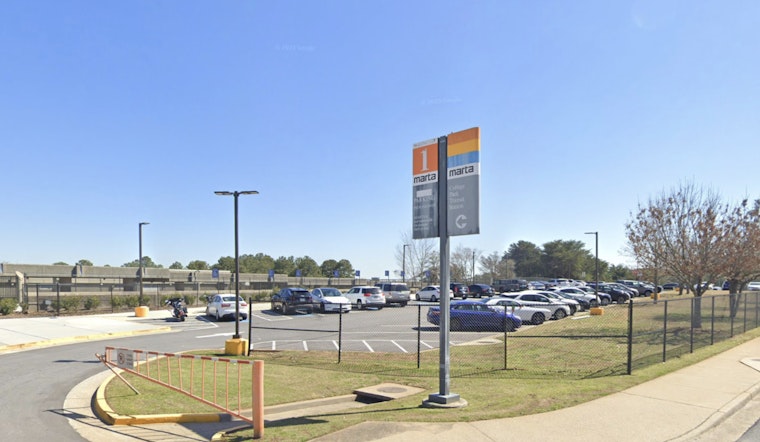
MARTA riders who drive to the train could soon feel a tighter squeeze on their wallets, even as the agency promises not to touch fares. The transit system’s proposed fiscal 2027 budget would raise station parking fees and shorten free-parking windows at several park-and-ride lots, while boosting security staffing and safety technology, all without increasing fares. The plan surfaced during public budget hearings this month as MARTA laid out roughly $1.6 billion in operating and capital spending for the year ahead.
MARTA’s own budget highlights show projected operating expenses of $663.1 million and a capital program that includes $919.8 million in planned uses, putting total proposed spending near $1.6 billion. According to the document, the capital plan is supported by about $1.52 billion in revenue sources and prioritizes state-of-good-repair projects and new rail cars. For details, see MARTA.
The draft also contains immediate rider-facing changes: MARTA is proposing a $2 increase in station parking fees and a reduction of the “no-pay” grace period from 24 hours to 14 hours at lots including College Park, Dunwoody and Sandy Springs, as reported by Atlanta News First. Agency officials told residents the plan does not include a fare hike this year, and said that most of the modest increase from last year’s budget would go toward employee wages.
Officials also laid out a big security push. “Two big initiatives,” MARTA’s deputy CFO said, explaining that the agency expects a net increase of roughly 70 officers and 10 protective specialists and plans to invest in predictive-safety analytics to help spot hazards for operators, per Atlanta News First. Patterson added that MARTA is counting on about $8 million from the Federal Transit Administration and $3 million from the Department of Homeland Security to help cover World Cup-related patrol needs, and that the agency plans to bolster fuel reserves and hedge fuel costs ahead of the summer events.
The budget is still a proposal. MARTA held public hearings and the agency’s materials say written comments are due April 22 and the board is expected to take a final vote in mid‑May. For hearing dates and how to submit feedback, see MARTA.
What riders should know
Commuters who park at affected stations should expect a small but immediate bump to daily costs and a shorter free window for occasional long‑term parking. Riders heading to large events this summer should also anticipate increased police presence and technology‑driven safety checks on some routes as MARTA gears up for heavier crowds.




