

























































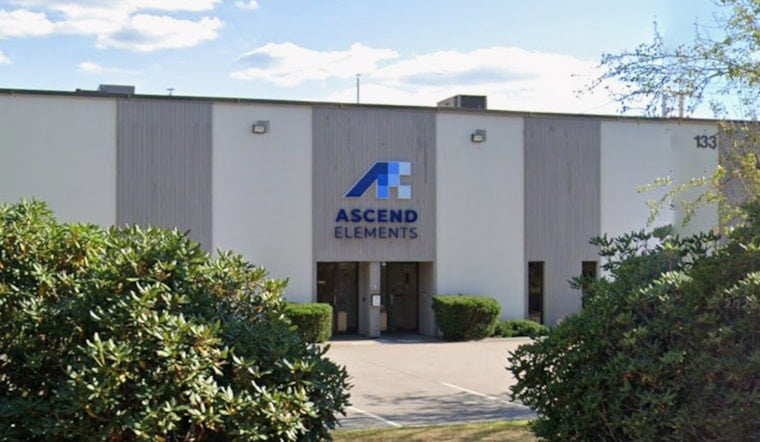
Ascend Elements, a Massachusetts battery-materials startup that poured heavy investment into a big recycling plant in Covington, Georgia, has filed for Chapter 11 bankruptcy. The voluntary move lands the much-hyped recycler in federal court at a time when demand for electric vehicles has cooled and federal support for clean-energy projects has tightened, leaving the company short on liquidity. The filing immediately clouds the future of production in Covington and a planned expansion in Kentucky.
As reported by Bloomberg, Ascend president and CEO Linh Austin said the company had "voluntarily initiated" a Chapter 11 process in a public statement. Bloomberg notes the move follows months of investor pullback and softer EV sales that strained Ascend’s cash flow, a one-two punch that has hit many battery players trying to scale up at breakneck speed.
What Ascend Does and Where
Ascend runs a commercial recycling line that turns end-of-life lithium-ion batteries into precursor and cathode active materials, and it has been ramping up production of recycled lithium carbonate at its Covington, Georgia plant. The company lists its corporate headquarters in Westborough, Massachusetts, and its Covington production site on Ascend Elements, which outlines multi-kiloton annual targets for lithium products at the Georgia facility.
Funding, Grants and Financial Strain
As reported by Bloomberg, Ascend had raised more than $1.1 billion in equity and government grants over its life, yet recent grant cancellations and missed milestones left the business exposed. The Boston Globe reported the Department of Energy pulled hundreds of millions in potential funding in 2025, leaving roughly $110 million unpaid to Ascend, and the company previously agreed to cancel a $164 million DOE award amid what it called "changing market conditions."
Industry Headwinds
Industry analysts say Ascend’s troubles mirror broader pressure on U.S. battery recyclers as policy shifts, tariffs and a slowdown in EV growth squeeze margins and scare off investors. Outlets like Grist have described the sector as stuck in a "limbo moment" while firms scramble to lock in long-term offtake agreements and secure new financing.
What Chapter 11 Means
Chapter 11 is a reorganization process that lets a business keep operating while it negotiates with creditors under court supervision. The filing triggers an automatic stay on most collection actions, and management typically remains in control as a "debtor in possession," according to the U.S. Courts. The court then reviews any requests for debtor-in-possession financing and sets deadlines for a disclosure statement and a reorganization plan.
Ascend’s bankruptcy timetable will become public once court documents are filed and any "first-day" motions hit the docket. Until then, workers in Covington and backers of the Kentucky project are left waiting to see whether the company can line up new lenders or a buyer. Local officials and industry partners say they are watching closely as creditors and customers weigh in on what happens next.




