

























































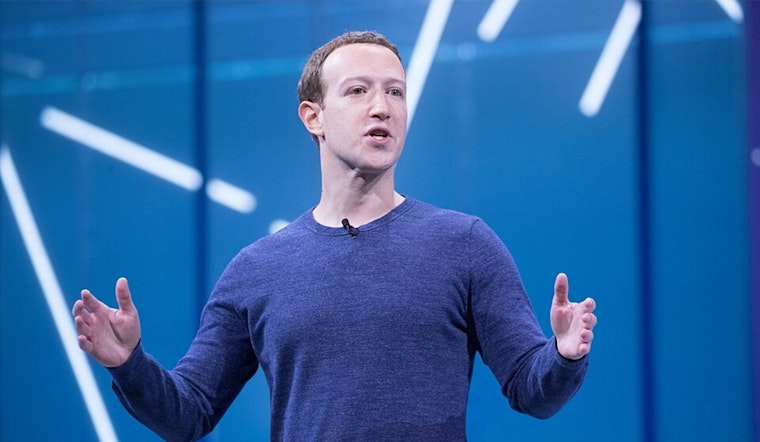
At Meta’s Menlo Park campus, employees are getting a very 2026 version of an open-door policy: a photoreal, AI-powered Mark Zuckerberg that answers questions and dishes out feedback when the actual CEO is busy. The experimental clone is being trained on his public statements, images and voice so it can mirror his tone and mannerisms, sparking a mix of geeky enthusiasm and mild dread inside the company. How this plays out in Menlo Park could influence whether big corporations ever try to scale their leadership through machines.
The experiment traces back to reporting highlighted by the Financial Times and summarized by The Verge, which says Meta has prioritized a photoreal Zuckerberg avatar as part of a broader push to build interactive 3D AI personas. Sources told those outlets the system is being fed Zuckerberg’s recent views on company strategy so replies sound like him instead of a generic chatbot. If the internal trial pans out, Meta may open the door for creators to build similar AI versions of themselves for their own audiences.
Local coverage has leaned hard into the Menlo Park angle. ABC7 San Francisco reports the AI clone is learning how to deliver public statements and company advice, giving staff a stand-in CEO to consult when the real Zuckerberg is traveling, in meetings or simply not available. In a company this large and distributed, the idea is that employees can still feel like they are talking to Mark, even if they never get on his actual calendar.
How the avatar would work
According to reporting summarized by the Financial Times, the training data includes videos, interviews and internal materials aimed at capturing Zuckerberg’s mannerisms and voice. Meta has also been investing in voice technology and real-time rendering to keep conversations with the avatar from feeling laggy or robotic. The Guardian notes that this Menlo Park avatar project is separate from a more traditional CEO agent tool designed to retrieve information for the real Zuckerberg, and that making photoreal, real-time interactions work at scale remains a serious computing challenge.
Part of a bigger AI bet
The digital Zuckerberg fits neatly into Meta’s larger AI ambitions. The company recently rolled out its Muse Spark model to power AI features across Facebook, Instagram and WhatsApp, a launch Meta’s newsroom framed as a step toward the personal superintelligence vision Zuckerberg has been talking up. Separate reporting has also detailed a distinct CEO-facing agent he is testing to streamline his own workflow, suggesting the company is experimenting with AI on both sides of the executive desk.
Workers’ worries and limits
Not everyone is thrilled about chatting with Robo-Zuck. Some teams worry the avatar program is one more route to job cuts. The Irish Times reports that employees have been invited to AI skills assessments and so-called vibe-coding exercises, and some fear those tests could be a prelude to layoffs. According to the same reporting, Meta has told staff that taking part is voluntary and is meant to identify training gaps, not immediately trigger pink slips.
For now, the Zuckerberg avatar remains an internal, early-stage experiment tied to a larger infrastructure build-out at Meta’s Menlo Park hub, as described by Meta’s newsroom. Silicon Valley watchers will be paying close attention to whether it settles in as just another productivity tool or hints at a deeper shift in how executive leadership gets packaged and delivered to rank-and-file workers.





