

























































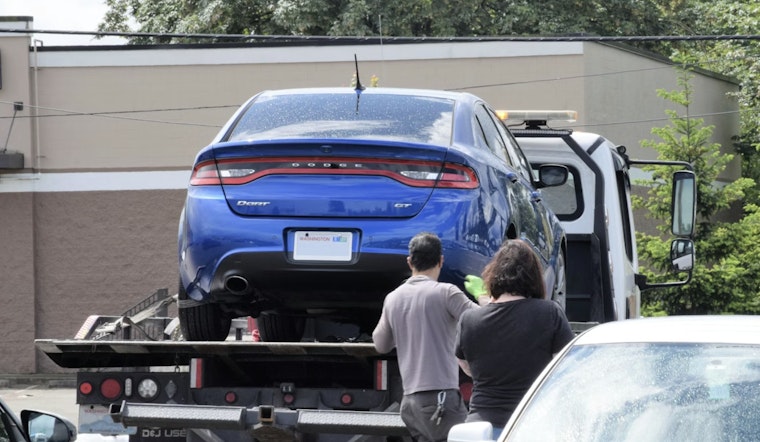
Miami Beach is getting ready to tap the brakes on towing its own residents’ cars in most situations that are not tied to safety. A proposal from Commissioner Alex Fernandez would largely stop resident tows on public property except in clear-cut safety cases, such as parking at a fire hydrant, in a handicap space or in a marked freight loading zone. The item is slated for Wednesday’s commission meeting.
The resolution instructs city staff to bring a ready-to-roll plan to the Public Safety and Neighborhood Quality of Life subcommittee in May. The commission agenda materials list Fernandez and five colleagues as co-sponsors, according to a filing with the City Clerk.
Fernandez told the Miami Herald that “towing should be a mechanism to serve the public, not to hurt the people,” arguing that residents have been hit hardest by current enforcement. He and other backers say the shift would lean more on tickets and getting drivers into compliance instead of sending cars straight to the tow yard.
Big bills for towed cars
Once a car is towed, getting it back is no small tab. By the time towing, administrative and storage charges are tallied, the costs can run into the hundreds of dollars. The City of Miami Beach’s parking page lists the city’s maximum non-consensual tow rate and fees: including a $274 tow rate, a $150 administrative fee, a $33 city permit fee and a $45 outside-storage fee after six hours. Residents can qualify for a reduced $150 tow rate and a waived administrative fee if they show valid Miami Beach identification and registration, according to the City of Miami Beach.
How the no-tow plan would work
Fernandez’s proposal would build on a resident text-alert system that already gives drivers about 15 minutes to get back to a cited car before it is towed, a program first reported at rollout last year by WLRN. Fernandez told the Herald the city sent nearly 2,800 of those alerts between May 2025 and March 2026, and just over 400 vehicles still ended up towed, or about 15 percent. Under the likely setup, residents would need to be enrolled in the city’s resident-parking system to get the no-tow protection and the $1-per-hour metered rate that goes with it.
Supporters want safeguards; tow firms mostly quiet
Resident advocacy group Miami Beach United backed the resolution in a letter to the City Clerk, calling it “another step in eliminating predatory towing practices,” while also asking that no-tow exceptions apply only to violations that do not stretch beyond 24 hours, according to the filing. The city’s parking information also lists the two tow companies authorized to operate in Miami Beach and provides contacts for retrieving vehicles, a reminder that actual enforcement still runs through permitted towing firms, according to the Miami Beach United letter and the City of Miami Beach.
What comes next
If commissioners sign off on Fernandez’s resolution on Wednesday, city staff are scheduled to bring a formal plan to the Public Safety and Neighborhood Quality of Life subcommittee on May 13. Any recommendations from that group would then return to the full commission for a final decision, according to the agenda timeline and supporting documents listed on the City agenda.





