

























































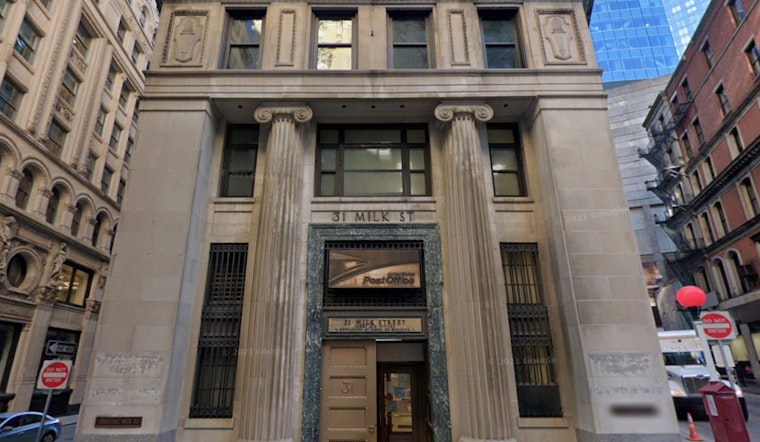
The sidewalk outside 31 Milk Street turned into a picket line on Thursday, as construction unions took direct aim at a high-profile downtown office-to-apartment conversion. Their message to the developer: if public money is helping fund the project, workers should not be getting paid what they describe as bargain-basement wages.
Unions Stage Picket Over Worker Pay
Members of the Greater Boston Building Trades rallied outside the building, arguing that contractors on the job are offering pay below union standards and undercutting the very workers expected to carry out the conversion. According to the Boston Business Journal, union leaders said they plan to press the developer and subcontractors for concrete commitments on wages and hiring tied to the Milk Street project.
The Business Journal reported that organizers see the action as part of a broader push to scrutinize how office-to-residential conversions handle labor when they benefit from public incentives. In other words, if taxpayers are helping to make these numbers work, unions want a say in how workers are treated on the job.
Project Details and Public Support
Dinosaur Capital Partners has proposed turning the top 10 floors of the 11-story building at 31 Milk Street into roughly 110 apartments, with about 22 of those units set aside as income-restricted housing. The project also received $4 million in state assistance, according to reporting by The Boston Globe.
The Downtown Boston Alliance lists the Milk Street conversion in its development tracker, noting that the plan would keep ground-floor retail in place while converting office floors above into housing. City officials and developers have held up projects like this as a way to bring more full-time residents into the Financial District and keep older office buildings from sitting half-empty.
How Conversions Work in Boston
Boston's Office-to-Residential Conversion program is designed to nudge underused office towers into the housing column, with steep property-tax breaks and a faster city review process sweetening the deal for developers, according to local coverage. As office makeover wave reporting notes, the incentive package can significantly improve the financial math on these retrofit projects.
At the same time, Bisnow has pointed out that only a portion of the projects approved under the program have actually started construction so far. That gap between paper plans and real groundbreakings has sharpened questions about whether public support should come with strings attached on wages and hiring.
Tenant Suit and Local Pushback
The Milk Street deal has another complication that has nothing to do with picket signs. One existing tenant, Vaco LLC, has sued the building owner in an effort to block parts of the planned conversion. In a complaint posted by Universal Hub, the company argues that it still holds a valid lease and objects to proposed abatement and construction work on its floors.
That legal fight adds uncertainty to a project already drawing heat from organized labor, layering a courtroom battle on top of a sidewalk protest.
What Developers Say and What Is Next
City and state officials have said that office-to-apartment deals like Milk Street could move into active construction later this year if permitting and financing come together, according to The Boston Globe. Public filings with the Boston Planning & Development Agency indicate that some floors at 31 Milk Street remain leased and that the owners plan to work with tenants as the transition unfolds.
Union leaders, for their part, say they will keep a close eye on publicly backed conversions and are prepared to ramp up actions if they do not see firm commitments on pay and local hiring. The Milk Street picket was unlikely to be a one-off, at least in their telling.
Legal and Policy Implications
Labor organizers are using the high-visibility Milk Street dispute to push for broader rules that would link state grants and city tax abatements to prevailing-wage standards and local-hire targets. Coverage of the conversion program has highlighted those simmering debates over how far public incentives should go in setting labor conditions.
Advocates say this latest action could intensify calls for stronger wage requirements on future conversions, according to Bisnow. For Boston, the showdown at 31 Milk Street may become a test case for how the city balances its housing goals with the paychecks of the people swinging the hammers.





