

























































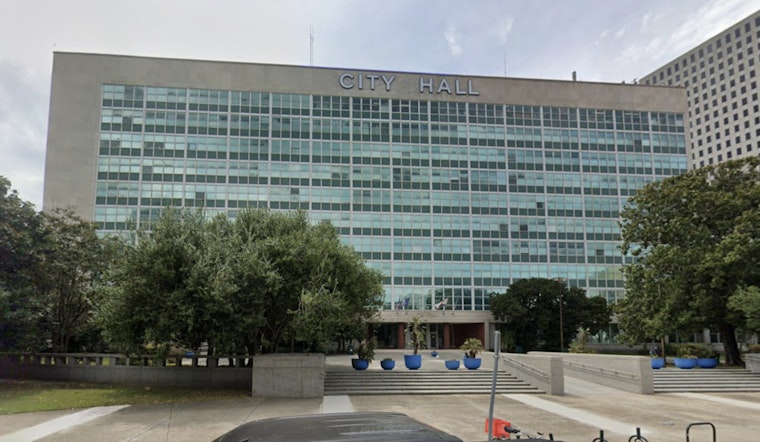
The New Orleans City Council is gearing up for a fight with the city’s Industrial Development Board over who gets the final say on long-term property tax breaks, known as PILOTs. It is a rare public clash between elected officials and a quasi-public board that has quietly handed out incentives for decades. Council leaders say those agreements can carve millions out of the city’s tax base and argue that when public money is on the line, the people who stand for election should have the last word. The tension has sharpened after a string of high-profile deals drew public anger and legal challenges earlier this year.
In a resolution introduced this month, Council President JP Morrell asked the Industrial Development Board to pause new PILOT approvals until the mayor presents a coordinated economic development plan, as reported by NOLA.com. Morrell has been pushing since 2024 to pull some authority back to the council and says he is not comfortable with an unelected board having sole discretion to forgo city tax revenue. Supporters say the council should be able to test whether promised benefits, such as jobs, affordable housing or community amenities, truly outweigh the long-term loss of tax dollars.
Watchdogs Say Better Rules Are Needed
The nonpartisan Bureau of Governmental Research has called for clearer rules and deeper analysis before subsidies are approved, arguing that many PILOT evaluations lack the fiscal rigor needed to judge whether the public actually comes out ahead. According to the Bureau of Governmental Research, reforms should include firm eligibility standards, expert financial review and consistent, transparent scoring so deals are not approved on thin evidence. That guidance has become a key talking point for councilmembers who want tighter oversight of incentives.
Inspector General Flags Process Gaps
The City’s Office of Inspector General reached similar conclusions in a public review, finding that the Industrial Development Board lacks formal written policies and relies on a single-page flowchart instead of uniform selection criteria or robust fiscal analysis. The Office of Inspector General urged clearer procedures and stronger transparency to ensure PILOTs align with city priorities. Those findings have bolstered councilmembers who say the current setup leaves taxing bodies, including public schools, exposed when deals go sideways.
River District Deal Put the Issue in the Spotlight
The debate erupted into full view after a 15-year PILOT tied to the River District development and a subsidy linked to a planned Shell office project triggered protests and lawsuits, feeding public skepticism about whether some incentives create new value or simply shift tax burdens. Reporting by Verite News details how critics said the River District arrangement would redirect millions away from local taxing bodies while delivering limited net new jobs. That controversy, along with the litigation that followed, helped push the council to insist on a larger role in future approvals.
At the same time, affordable housing developers warn that weakening or eliminating PILOT protections could make some projects financially impossible by triggering steep property tax bills. Two developers tied to the Faubourg LaFitte and C.J. Peete communities asked for two-year extensions on their 15-year PILOT agreements to avoid sudden tax spikes, as detailed by NOLA.com. HANO and other housing advocates say rising construction costs and shrinking federal subsidies make some incentives essential for affordable projects to work on paper.
The Industrial Development Board has pushed back, saying its process already ties many agreements to local hiring and minority business participation and that the board conducts careful reviews before granting subsidies, according to reporting. Board members warn that injecting political review at every stage could slow investment and complicate financing for projects that rely on predictability to secure capital. Critics counter that predictable is not the same as accountable and argue that the city deserves full fiscal data and public debate before long-term tax breaks are locked in.
Legal And Political Fallout
The council’s move comes in the wake of earlier clashes over incentives. At least one lawsuit has targeted a council vote involving a large PILOT, and state lawmakers have floated changes to the rules that govern local subsidies. Any effort to reassign authority over these deals will likely require not only local votes but also technical revisions to interagency agreements and possibly state law. The tug-of-war has turned PILOT policy into a larger test of whether New Orleans will centralize incentive decisions under elected officials or continue to rely heavily on independent public boards.
What happens next is both procedural and political. The council’s resolution could lead to public hearings, requests for fresh fiscal analyses and negotiations with the mayor’s team over a citywide incentives framework. Advocates on both sides say they want clearer rules, whether to protect the tax base or to give developers and housing providers a stable playbook for getting projects built. For now, the standoff signals a shift toward closer scrutiny of deals that have quietly trimmed the city’s property tax rolls for years.



