

























































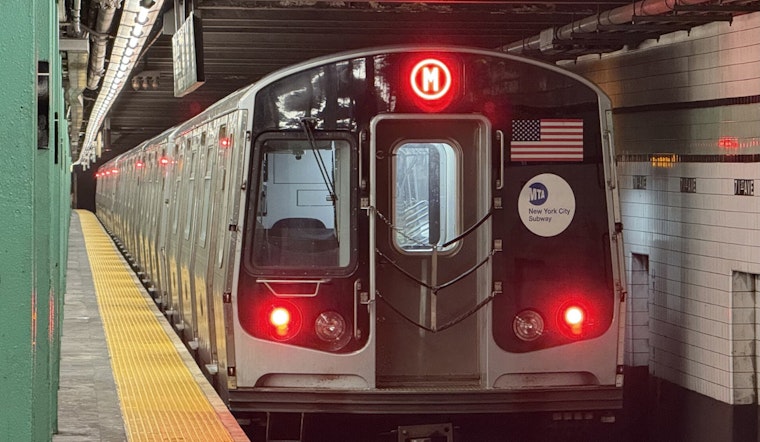
New York’s subways are getting a quiet power makeover. Deep in the system’s electrical rooms, the Metropolitan Transportation Authority is swapping out equipment that has been in place for decades and installing newer gear designed to keep trains from stalling and riders from getting stuck between stations. A New York Times video published April 20, 2026, pulls back the curtain on one of the system’s oldest substations and one of its newest, showing the stark difference between creaking machinery and modern hardware. The work combines upgraded components with added redundancy, and MTA officials say the goal is to cut down on the sudden outages that have wrecked commutes in recent years.
The 2 minute, 49 second video walks through how high-voltage electricity is stepped down and turned into the direct current that powers the third rail, then lays out why today’s substations are laid out and wired differently from the old rooms still scattered under the city. As shown in The New York Times, the visual tour turns a wonky engineering problem into something riders can actually follow and points to how upgrades could limit single-point failures. The reporting blends on-the-ground access with technical explanation to spotlight where the system is most vulnerable.
What the MTA Is Funding
The planned work appears in the MTA’s 2025-2029 capital priorities, where power substation upgrades are listed as state-of-good-repair projects meant to boost reliability and resilience, according to the MTA. Agency leaders have pitched the five-year agenda as a push to swap out fragile, outdated equipment across the network. The catch is that the program will roll out in phases and hinges on the funding lawmakers and the agency can actually lock in. For riders, that translates to gradual improvements, not an overnight transformation.
A History of Failures and Why They Matter
Failures at aging substations have already made life miserable for riders. In January 2025, a substation explosion in Brooklyn stranded thousands of people and spotlighted how patchwork the MTA’s power network can be. As reported in coverage of a century-old Brooklyn substation explosion, investigators and utilities pointed out that some equipment is decades past its prime and overdue for replacement, a costly reminder of what happens when power systems go down. That track record has helped fuel political pressure to move ahead with upgrades faster.
Short-Term Disruptions To Expect
Upgrading substations is not exactly invisible work. It requires targeted outages, overnight shifts and carefully timed cutovers, and the MTA has warned that substation projects can mean planned service changes. One 2025 seasonal service notice, for example, flagged that riders would see service changes “due to work at a New York City Transit substation,” the kind of overnight and weekend shuffle commuters can expect from time to time, according to the MTA. Anyone using apps or signed up for alerts will get advance heads-ups so they can reroute or leave a little earlier.
Bottom Line For Riders
The work may look slow and deeply technical, but it is not cosmetic. Modern substations, better monitoring and staged backups should mean fewer outages and problems that are easier to isolate when they do happen. As The New York Times highlights, seeing the old rooms next to the new installations makes clear why engineers are eager to retire gear that has long outlived its intended design life. Riders should brace for scattered, planned disruptions as crews swap out equipment and, if the capital plan stays on track, a subway power system that is noticeably more resilient over time.





