

























































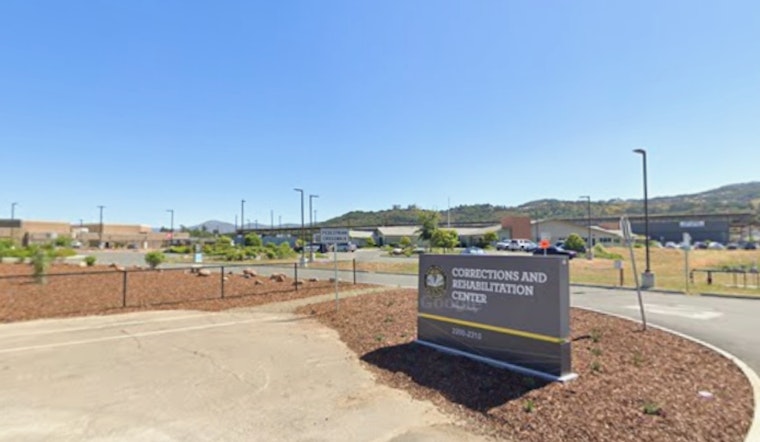
Napa County’s long-idle reentry facility next to the county jail is finally getting put to work, with officials moving ahead on a $24 million overhaul that will turn the 21,000-square-foot campus into a behavioral health treatment center. The redesign will add residential addiction treatment, a sobering center and a mental health rehabilitation unit, giving the county a local option beyond emergency rooms and jail for people in crisis. County leaders say the project is part of a broader push to expand county-based behavioral health capacity, with construction expected to wrap up by late 2026.
State Grant Speeds Up the Overhaul
In a press release from Napa County, the Health and Human Services Agency announced it secured $4.7 million from the Department of Health Care Services’ Behavioral Health Continuum Infrastructure Program for the project at 2200 Napa Valley Highway. “This investment allows us to continue building a more responsive, coordinated system of care that supports individuals on their path to wellness and recovery,” HHSA Director Jennifer Yasumoto said.
According to the county’s announcement, design and planning are already underway, with initial engineering work covered by HHSA reserves. The total public investment in the Behavioral Health Treatment Center is pegged at about $24 million, and officials told the Board of Supervisors that construction is slated for completion in late 2026.
What the New Center Will Offer
County meeting materials lay out three co-located programs: a sobering center for short-term supervised detox, a residential substance use disorder treatment and withdrawal-management program, and a Lanterman-Petris-Short (LPS) Act-designated mental health rehabilitation center. According to the county’s board packet and project documents, converting the facility will let Napa relocate and expand residential services that are currently leased at Napa State Hospital.
Staff note the potential to grow bed capacity from the mid-30s to as many as 48, depending on licensing and how the space is configured. Public bid listings for the project show planned work on the main building and four dormitories so the campus can support both residential programs and short-term detox services; those listings were issued as part of the county’s procurement process.
From Reentry to Recovery
The building was finished in 2019 as a 72-bed reentry facility but never opened for that original purpose, instead being pressed into service during the pandemic and wildfire responses in other roles. As The Press Democrat reported, “not one ever walked through its doors for that purpose.”
County leaders say defeasing the state bonds and repurposing the site signals a broader shift toward treatment-focused responses for people experiencing mental health and substance use crises, rather than defaulting to incarceration.
Next Steps and Local Impact
The Board has already set up a capital improvement project and approved initial budget amendments to cover design and engineering, while choreographing a series of moves so the Probation Department can vacate the building before renovations begin. Napa County documents show the county plans to use Community Corrections Partnership funds and HHSA reserves to cover acquisition and early construction costs, and county procurement notices indicate bidding is underway for the BHTC work and related upgrades at nearby county properties.
Officials say the critical next moves before client services can start include hiring an operator, finishing licensing and securing sustainable funds to keep the center running over the long haul.
What to Watch as Deadlines Approach
Key milestones to track include provider procurement, licensing of the mental health rehabilitation center and the county’s strategy for long-term operating funds. Earlier reporting put projected annual operating costs significantly higher than what the county currently pays for the leased beds at Napa State Hospital.
The project is also intertwined with state policy shifts such as SB 43 and Proposition 36, which broaden treatment-mandated placements and conservatorship responsibilities, making local behavioral health capacity a strategic priority for Napa officials. County staff plan to return to the Board of Supervisors in the coming months with updates on procurement timelines, construction start dates and plans to underwrite ongoing operations.





