

























































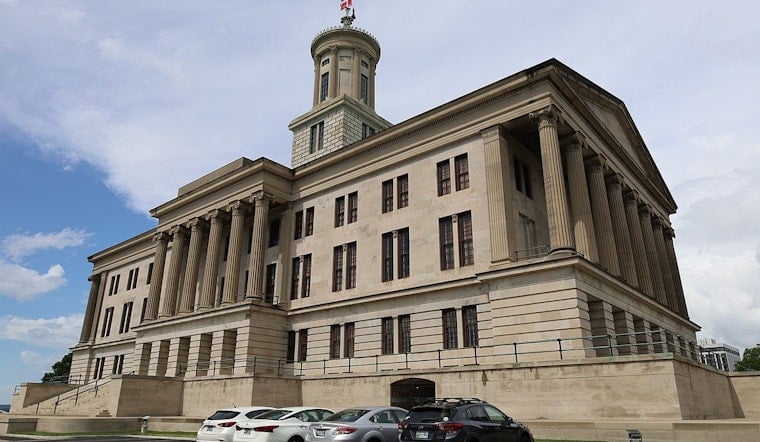
A Republican-backed plan at the Tennessee Legislature is putting Nashville’s political calendar on the chopping block, with a proposal that would move Metro’s mayoral and council elections to even-numbered years and likely keep Mayor Freddie O’Connell and many council members in office until 2028. Supporters argue that syncing local contests with big-ticket state and federal races will drive up turnout and trim costs. Critics see something very different: a major rewrite of how Nashville governs itself and a direct hit to the city’s charter. The proposal, filed this session, is already working its way through committees.
What the bills would do
The twin measures, HB1497 in the House and SB1630 in the Senate, would require cities to reschedule their municipal elections so they line up with either the regular August primary or the November general election. They would also convert many currently nonpartisan local races into partisan contests, according to the Tennessee General Assembly. The bill summary says any local ordinance that changes an election date must also spell out how current officeholders’ terms will be extended as needed, with a hard cap of two extra years. It also lays out new qualifying deadlines and primary dates for those races.
Where the idea came from
The push is being led by Rep. Scott Cepicky and Sen. Joey Hensley, who introduced the companion bills earlier this year as part of a broader effort to standardize municipal election timing across the state, according to Tennessee Lookout. That January reporting highlighted the bills’ shift toward partisan races, their adjusted calendars, and the fact that they apply to counties with metropolitan forms of government such as Davidson County.
Local leaders push back
Not everyone is buying the sales pitch. State Rep. Jason Powell, a Nashville Democrat, has called the proposal “one of the most consequential threats to the Metro Nashville charter” and told Axios Nashville, “Nashvillians did not elect a mayor or council to serve five-plus years in office.” Powell and other opponents warn that stuffing local contests under higher-profile races on a long ballot will lead to voter drop-off and less scrutiny of down-ballot choices. Axios Nashville also reports that under Cepicky’s version of the plan, the Metro general election would move to August and runoffs would slide to November, flipping the current schedule and forcing campaigns to rework their timelines.
Supporters' pitch and the calendar quirks
Backers counter that holding local elections when more voters are already heading to the polls is a commonsense way to increase turnout and avoid the cost of separate, off-cycle contests. Sponsors frame the change as both practical and budget-friendly. Opponents, however, say that in real life the move would bury mayoral and council races on crowded, multi-page ballots and inject overt party politics into contests that are designed to be nonpartisan.
Timeline and what's next
Both bills have cleared their first committee hurdles and still need more sign-offs in the House and Senate before any potential floor votes, according to legislative records from the Tennessee General Assembly. If they pass, Metro would then need to adopt an ordinance to officially move its election dates and file that ordinance with the state coordinator of elections. Any term extensions tied to that shift could not exceed two years.
Legal backdrop
The fight is unfolding against a familiar backdrop in Nashville. State lawmakers previously approved a law to shrink the size of Metro Council, and Metro responded with a lawsuit. A three-judge panel sided with Metro in 2024, according to Nashville Scene. A related case is still in motion, and Axios Nashville reports that a Tennessee Supreme Court ruling on another election-structure law is expected soon, a decision that could influence how quickly any new changes roll out.
For Nashville residents, the stakes are straightforward: both the calendar and the mechanics of how local leaders are elected would shift if these bills become law. Keep an eye on committee schedules and on public statements from Mayor Freddie O’Connell and the Metro Council, because any formal ordinance to move election dates would immediately start the clock on term extensions and a brand-new campaign season.





