

























































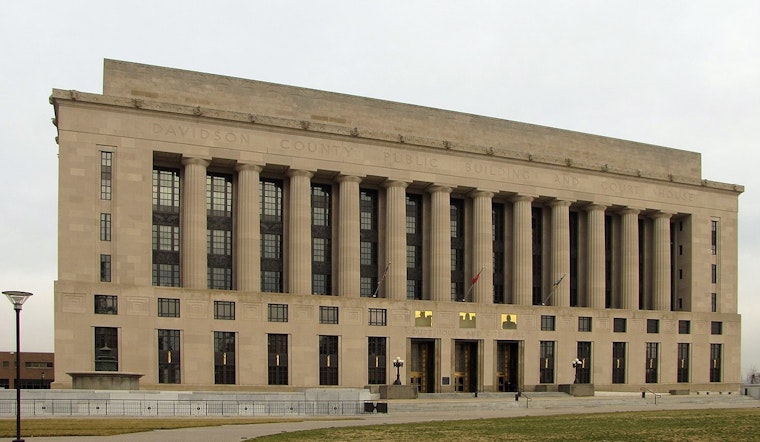
Nashville’s Metro Council is set to hold a public hearing on Tuesday, April 7, 2026, on an ordinance that would remove bars and nightclubs from shopping center zoning districts. The bill, brought by District 32 Councilmember Joy Styles, follows a stretch of federal raids and shootings near Antioch and other strip mall corridors that neighbors say have turned routine shopping plazas into uneasy territory. Supporters frame the move as a public safety fix meant to funnel late-night, promoter-driven nightlife into standalone venues instead of shared strips. Planning staff and some business owners argue that zoning alone is a blunt instrument that may not curb violence and could trigger unintended headaches for small merchants.
What’s in the Bill
The ordinance would amend Title 17 to remove the “bar or night club” use from Shopping Center Neighborhood (SCN), Shopping Center Community (SCC), and Shopping Center Regional (SCR) zoning districts, according to the bill text on the Metro Council’s Legistar site. Metro Legistar shows the proposal cleared its first reading in January and is scheduled for further council action in April.
Incidents That Pushed the Measure
Styles and other backers point to a pattern of safety problems at clubs operating inside shopping centers, including a March 30, 2025, federal raid at a nightclub in a strip along Antioch Pike. WSMV reported on that multi-agency operation, while other local coverage has tracked a series of shootings linked to Antioch lounges in 2024–25. Styles has said the zoning change is aimed at dialing down those late-night flashpoints, according to the FBI raid at Antioch nightclub coverage.
Planning Staff Urged Caution
Metro Planning Commission staff told commissioners that while complaints do cluster around certain shopping-center bars, simply striking the land use from those districts would not necessarily tackle the deeper causes of crime. Staff recommended that the city also look at more targeted code enforcement or coordinated responses from MNPD. The staff report notes the ordinance would change the city’s land use tables but warns that the tweak may not fix patterns of violence or nuisance behavior. That analysis, filed with the Planning Commission for its February meeting, helped guide the commission’s review ahead of council consideration, according to the Metro Planning Commission staff report.
Neighbors and Business Owners Weigh In
Residents and shopkeepers near Bell Road and Antioch have told reporters that nightclub hours and promoter-driven crowds can leave shopping plazas loud and uncomfortable at night, a theme that has surfaced repeatedly in local coverage. WSMV has highlighted business owners and neighbors describing both safety worries and the hit to daytime commerce when a plaza becomes known primarily for its after-hours scene. Styles has framed the ordinance as a way to nudge nightlife into standalone buildings rather than mixed-use strip centers, according to reporting by WKRN News 2.
Legal Implications for Existing Clubs
The ordinance text, however, classifies already-legal bar or nightclub uses as “legally non-conforming” and allows them to keep operating indefinitely. That non-conforming status would be lost only if the use goes inactive for thirty continuous months, language that appears in the bill text on the Metro Council site. Metro Legistar details both the grandfathering provision and the 30-month inactivity rule, which means passage alone would not immediately force compliant operators out of their current spaces. That structure is a key reason some owners and legal observers view the ordinance as a statement about future land use policy as much as a direct attempt to clear out existing clubs.
What’s Next
The Planning Commission disapproved the proposal on March 26, 2026, but the ordinance remains on the Metropolitan Council’s calendar for continued debate at the April 7 meeting. The council’s schedule and committee postings for Tuesday, April 7, 2026, outline when the public hearing and any follow-up vote could occur, and residents can review the agenda or watch the proceedings through Metro’s meeting pages, as shown on the Metropolitan Council calendar.





