

























































A high desert water fight has jumped to a new arena, as a coalition of Nevada and Utah counties, ranchers, and conservation groups asked the Interior Board of Land Appeals on Wednesday to block a Bureau of Land Management decision clearing the way for a pipeline to carry groundwater to Cedar City. The appeal argues the project would pull water from Pine Valley near the Nevada–Utah border and could damage springs, ranches, and groundwater-dependent ecosystems across eastern Nevada and western Utah. Coalition leaders are casting the move as a stand for senior water rights and rural livelihoods.
The appeal, filed April 1, asks the Interior Board of Land Appeals to put the decision on hold while the agency’s analysis is revisited, according to 8 News Now. It lands on the heels of the BLM's final environmental impact statement, released February 27, and a Record of Decision for the so-called West Desert Project issued March 2. The coalition told the outlet the board has roughly 45 days to act, an early deadline that could determine whether on-the-ground work starts this season or waits.
"I will not sit idly by so Iron County can take my water for data centers, warehouses, sprawl and power plants in Cedar City," landowner Mark Wintch said, while Beaver County Commissioner Tammy Pearson described the county's appeal as one that "defends constituents' rights and demands accountability for desert water," according to 8 News Now. The sharp language highlights how the project has driven a wedge between small ranching communities and the growing Cedar Valley towns over who gets to tap the limited groundwater.
The challenge is backed by a roster that includes Beaver, Millard, Juab, and White Pine counties, the city of Milford in Utah, the Great Basin Water Network, the Central Nevada Regional Water Authority, and Nevada's N-4 State Grazing Board, according to Great Basin Water Network. In their view, the BLM decision "allows severe harms to private property, water rights, public resources and the environment" and follows a process in which, they say, the last meaningful public engagement took place in winter 2022. Coalition members say they intend to push the administrative appeal aggressively in an effort to stop any ground-disturbing work while the case is under review.
Project Basics And Developer View
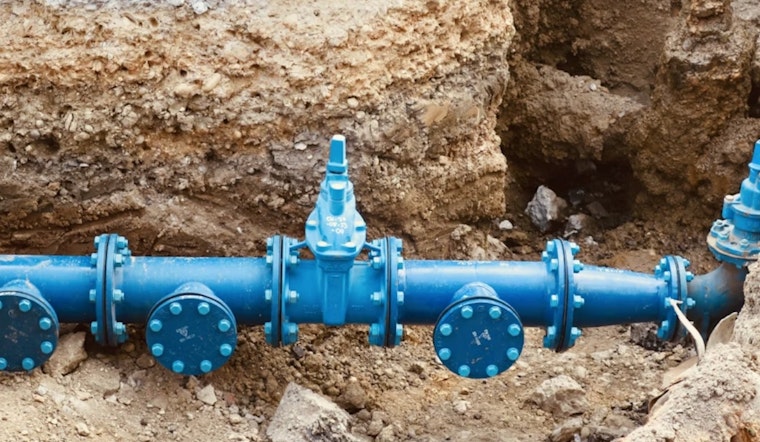
Supporters refer to the effort as the Pine Valley Water Supply project, a phased build-out of a wellfield in Pine Valley and a pipeline system to move groundwater to Cedar Valley in an attempt to stabilize falling aquifers that serve Cedar City, Enoch and nearby communities. Planning documents from the Central Iron County Water Conservancy District describe production and monitoring wells, pipeline corridors and a solar array to power pumping, and outline monitoring and mitigation measures intended to protect other users, according to the Central Iron County Water Conservancy District. District officials argue imported supplies are necessary as the local aquifer continues to be drawn down by growth and agriculture.
Environmental And Legal Objections
The appeal lays out a list of technical and legal challenges, from what critics describe as flawed hydrologic modeling and improper segmentation of impacts to an abbreviated review period, which they say add up to violations of NEPA and other federal laws, according to Great Basin Water Network. These disputes are tied to USGS work in the Great Basin that has identified hydrologic connections between mountain recharge areas, regional carbonate aquifers and springs in and around Great Basin National Park, suggesting that pumping in one basin can have far-off consequences for springs and seeps. Opponents argue the BLM analysis downplays the chances that remote springs, wetlands and ranch wells could see long-term drawdown.
What Comes Next
By taking their case to the Interior Board of Land Appeals, the coalition has shifted the fight into a formal administrative setting where a stay, if granted, can temporarily freeze BLM action. If the board refuses to block the Record of Decision, opponents still have the option of heading to federal court, a route that could stretch the battle out for years. In the short run, the timing of the board's decision will largely dictate whether construction crews can roll or whether the project is stuck waiting while the technical and legal disputes are sorted out.
For now, both camps appear to be bracing for a long haul. Cedar Valley officials continue to stress the need to shore up municipal supplies as the aquifer declines, while rural Nevada and Utah groups maintain that the science and the public process are not strong enough to justify large-scale exports. More technical briefs, filings and carefully worded public statements are likely as stakeholders dig through the dense BLM record and the board decides whether to tap the brakes on the project.





