

























































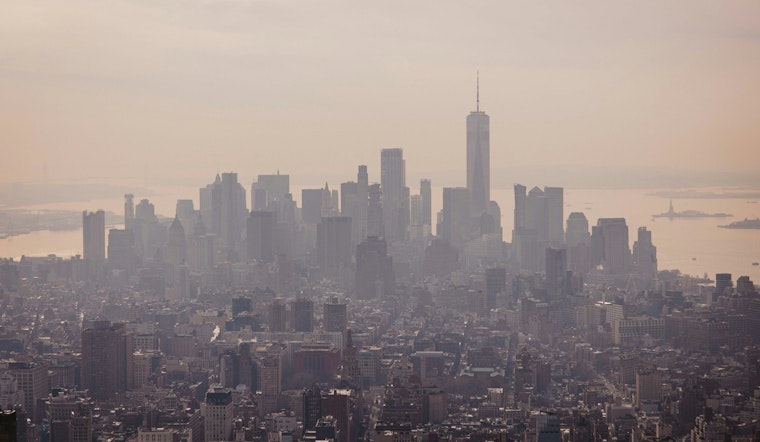
The latest national air-quality report does not have kind words for the tri-state: the New York-Newark metro now ranks among the country's worst for ozone smog, and millions of residents - including more than a million children - are breathing levels the American Lung Association considers unsafe. The study finds that while soot (fine particle pollution) has improved in parts of the region, smog is creeping up across multiple counties, a trend local clinicians and advocates say should reshape how parents plan outdoor time and how cities handle heat and traffic.
According to the American Lung Association's "State of the Air 2026" report, the New York-Newark metro ranked 12th worst for ozone out of 226 metropolitan areas, based on 2022-2024 monitoring data. Fairfield County, Connecticut averaged 21.2 unhealthy ozone days per year, the worst weighted county value in the metro and a key reason the region lands so high on the list.
Ozone Versus Particles: Smog Worsens While Soot Improves
The overall air story is a split screen. Year-round and short-term fine particle pollution improved for the metro, yet the number of unhealthy ozone days still climbed. In a press release, the American Lung Association quoted Michael Seilback saying, "Children deserve to breathe air that won't make them sick," while urging policymakers to step up protections for kids' health.
Health Toll On Kids And Hospitals
The ALA estimates 1,106,290 children in New York state and more than 700,000 in New Jersey live in counties with unhealthy air, numbers that immediately raise red flags for schools, camps and youth sports leagues. "Pollution is a very powerful irritant on the lungs," Dr. Charles Shieh of Holy Name Medical Center told CBS New York, adding that emergency-room visits tick up on days when the air is especially dirty.
What's Driving The Spike?
The association points to a one-two punch of climate-driven extremes and policy rollbacks: hotter summers, drought and wildfire smoke that can travel hundreds of miles, along with recent weakening of federal clean-air protections. Smoke from Canadian wildfires in June 2023, which turned much of the East Coast an eerie orange, is a vivid example of how upwind fires can blanket the city and suburbs in dangerous haze; The Washington Post broke down the science at the time.
How Residents Can Protect Themselves
Public health guidance is blunt: check the Air Quality Index each morning, ease up on strenuous outdoor activity when the AQI is in the unhealthy range for sensitive groups, and consider N95 masks and indoor air filtration on bad days. Federal and state agencies say the EPA's EPA wildfire-smoke resources and the New York State DEC's air-quality advisories explain key precautions and where to find local forecasts and alerts.
The American Lung Association says policymakers need to move quickly if the trend is going to reverse. Until that happens, parents, schools and employers across the tri-state will be planning around smoggier summers and more frequent air-quality warnings.


