

























































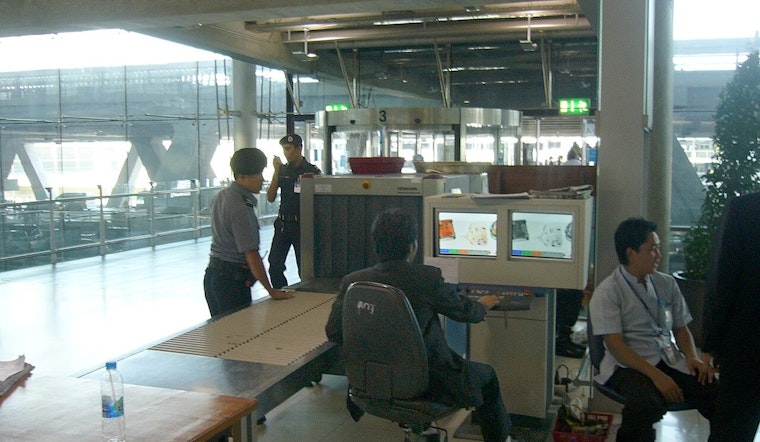
Customs and Border Protection officers at Chicago's O'Hare International Airport say a routine bag check turned surreal on April 11, 2026, when they pulled a dried monkey carcass from a traveler's luggage. The passenger had arrived from Cameroon, and an x-ray had flagged an anomaly in the bag that led to a secondary inspection. CBP agriculture specialists detained and destroyed the remains as part of standard public health precautions.
According to WGN-TV, officers uncovered meat, bones and hair concealed among packages of dried seafood, which the agency described as nonhuman primate meat. The seizure followed the secondary screening, and CBP said the remains were destroyed. WGN-TV also reported that a separate traveler at O'Hare tried to bring roughly 125 pounds of prohibited ruminant meat into the country that same day.
Why bushmeat is banned
The Centers for Disease Control and Prevention says bushmeat, defined as raw or minimally processed meat from wild animals including nonhuman primates, is illegal to bring into the United States because it can spread zoonotic diseases. The agency notes that imported bushmeat will be seized and destroyed and that importers can face civil penalties. See CDC guidance on importing animal products for details.
O'Hare seizures are not new
Local reporting shows this was not a one-off at O'Hare. In December, Hoodline covered an earlier seizure of suspected primate meat in checked baggage; see 4 Pounds of Suspected Primate Meat.
CBS Chicago has documented a broader rise in agriculture seizures at the airport and profiled the CBP K-9 teams that help sniff out prohibited food and plant material. Their reporting notes that customs specialists are less concerned with travelers' culinary preferences than with invasive pests, plant and animal diseases and other threats that can hitch a ride in those packages.
What happens after a seizure
CBP says intercepted items are either turned over to public health partners for testing or destroyed to eliminate any contamination risk, and travelers who fail to declare prohibited animal products may face civil penalties. Per Federal Newswire, the agency has been posting reminders that desiccated monkey corpses and similar items are firmly on the prohibited list. Chicago area Port Director Michael Pfeiffer told WGN-TV that agriculture specialists "mitigate the threat of non-native plants and pests, plant and animal diseases, and other potentially contaminating material" when they inspect incoming baggage.
Travelers returning from abroad are expected to declare all food and animal products at the border and to consult federal guidance before packing. For more information on prohibited items and potential penalties, review the CDC and CBP resources linked above.





