

























































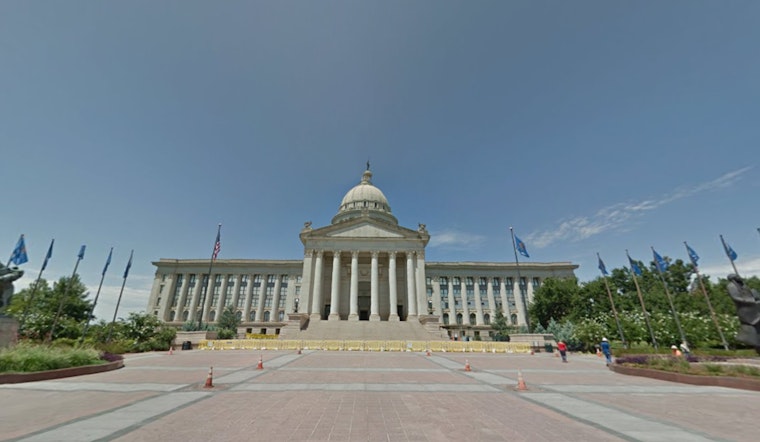
Oklahoma's 2026 political season is already taking shape, and a lot of the drama will be over long before voters get to the November ballot. With the statewide candidate filing period closed, some House districts are packed with hopefuls while plenty of others will be snooze fests, with winners effectively crowned by default.
As reported by NonDoc, 196 candidates filed for state House seats during the April window. That list includes 126 Republicans, 66 Democrats, six independents and one Libertarian, and it translates into 75 House races that will appear on either primary or general-election ballots. NonDoc counted 19 open, contested House seats along with 26 districts that drew only a single filer and multiple incumbents who are essentially reelected on paperwork alone, a reminder that many contests never make it to a high-turnout fall showdown.
Calendar And Official Rules
The Oklahoma State Election Board confirms that candidate filing took place during the April window and that the statewide primary will be held June 16, 2026. No recognized political parties filed notices to open their primaries to independent voters this cycle, so only registered party members will have a say in those June contests.
Voters and candidates looking for the fine print, official deadlines and the candidate portal can find them through the Oklahoma State Election Board, which remains the referee on what ultimately shows up on ballots.
Uncontested Races Are The Norm
If it feels like a lot of seats are going uncontested, that is not your imagination. Many of the unopposed and single-party districts this year continue a longer trend toward fewer competitive legislative races in Oklahoma, shaped by both redistricting and the state’s partisan geography.
Reporting by KGOU, drawing on analysis from Oklahoma Watch, found that a strong majority of House districts now lean heavily toward one party. That built-in tilt helps explain why so many seats attracted just one candidate and why, in many places, the real action has shifted into party primaries where turnout is lower and insider coalitions matter more.
Contests To Watch
Not every race is a foregone conclusion. NonDoc points to a notably crowded Republican primary in House District 1, covering LeFlore and McCurtain counties, where Wes Watson, Austin Loard, George Phipps and Chris White have all jumped in. Kurt Reisdorf is listed as the Democratic candidate waiting in the general-election slot there.
Elsewhere around the state, a mix of incumbent challenges and multi-candidate primaries has the potential to reshuffle committee assignments and leadership alignments when the next Legislature is seated. As campaigns shift from filing to full-contact mode, endorsements, local ballot measures and early fundraising will start to separate serious contenders from the names that never make it past the yard-sign phase.
Deadlines And Legal Challenges
For anyone thinking about challenging a candidacy, the clock moves fast. Under state law and State Election Board guidance, contests of candidacy must be filed by 5 p.m. on the second business day after the close of the filing period. For the April 1 to 3 window, that sets the deadline at Tuesday.
The State Election Board’s candidate-filing guidance explains how candidates can withdraw, how to submit a contest petition, what fees apply and where to file. County election boards are the first stop for formal objections, and those legal filings can still reshuffle which names appear in which races. Until those disputes are resolved, the State Election Board’s candidate portal and county boards remain the final word on who is actually on the ballot.




