

























































Oklahoma prison visitors are about to feel a lot more like airline passengers.
State corrections officials are rolling out airport-style full-body scanners at several prisons as they step up the fight against contraband. The machines are set to be installed at five correctional centers, and at least one unit is already in use. Leaders at the Oklahoma Department of Corrections describe the new technology as an added layer of security that can catch phones, drugs and other items that slip past traditional metal detectors.
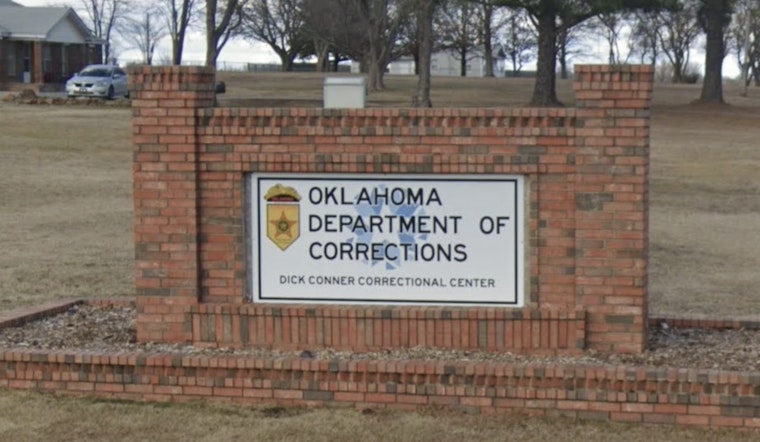
As reported by KOKH, the agency is introducing the CLEARPASS full-body scanner system at five facilities. The rollout includes Great Plains Correctional Center, where installation is underway, along with Allen Gamble Correctional Center in Holdenville, Dick Conner Correctional Center in Hominy, Mabel Bassett Correctional Center in McLoud and the Oklahoma State Penitentiary in McAlester. "It's a lot like what you'd see going through TSA at the airport," Deputy Chief of Operations Jason Bryant told the station.
The CLEARPASS system uses low-dose transmission X-ray imaging with AI-assisted analysis to highlight possible contraband and produce a clear image for operators, according to LINEV Systems. The company says the scanner can flag phones, narcotics, weapons and other non-metallic items in roughly three seconds per scan, while keeping radiation at low, industry-specified levels. Marketing materials also play up the high throughput, automated alerts and software tools that are supposed to cut down on operator fatigue and missed detections.
The scanner push is landing as the department leans on a broader tech toolkit to choke off smuggling. In a 2025 release, the Oklahoma Department of Corrections said staff had already confiscated more than 4,000 contraband cellphones that year. The agency says it has also deployed body-worn cameras and other screening tools to improve safety and curb illicit prison networks.
KOKH reports that Red Rock Correctional Center in Lawton already has a full-body scanner in operation, a proof of concept state officials point to as they argue for wider use. The department plans to place scanners at intake and visitation checkpoints so contraband can be intercepted before it reaches housing units. Officials have not released a detailed public timeline for when each site will begin routine scanning.
How Other States Are Using The Scanners
Oklahoma is not alone in turning to CLEARPASS-style technology. Nebraska installed an Adani/CLEARPASS unit at a new reception center in Lincoln, where union leaders pushed for policy safeguards around how the machine would be used, according to KETV. Procurement records in other states, including a recent Utah solicitation, show LineV/ADANI systems being purchased to expand correctional screening, GovTribe notes.
Privacy, Safety And Policy Questions
The technology is not arriving without pushback. Civil-rights groups, staff unions and some lawmakers warn that before the scanners become routine, the state needs clearer rules on privacy, oversight and how the images and data will be used.
An investigation by Oklahoma Watch raised flags about Oklahoma prisons moving quickly into AI-driven corrections technology and urged more transparency around data practices, automated analysis and staff training. Other investigative reporting has noted that security X-ray scanners operate under voluntary industry standards rather than strict FDA regulation, and critics argue agencies should publish radiation dose levels and usage policies to answer safety concerns, as reported by ProPublica.
State officials say the new scanners are meant to be one more tool to protect staff and incarcerated people, cut contraband-driven violence and disrupt organized smuggling. The department says training and written policies will shape how and when scans are conducted as the rollout continues.





