

























































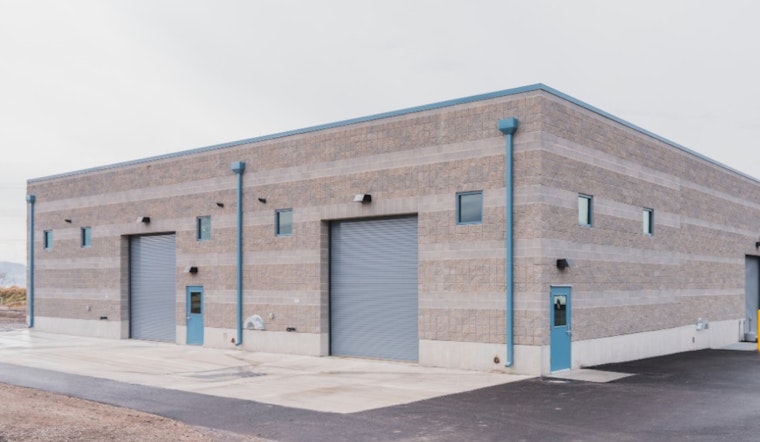
Orem has quietly flipped the switch on a new water reuse and nutrient-removal plant that city officials say will cut outdoor irrigation demand and dial back phosphorus discharges into Utah Lake. The roughly $20 million facility came online in early March and is now supplying treated, nonpotable water to Sleepy Ridge Golf Course, Lakeside Sports Park and other public green spaces. City leaders say the project is designed to save drinking water and help blunt the lake’s recurring algal blooms.
How the Plant Treats and Routes Water
The new system pulls already treated effluent from Orem’s Water Reclamation Facility and sends it through an added tertiary polishing stage along with biological nutrient removal, stripping out remaining particulates and phosphorus. According to the City of Orem, the plant is expected to deliver about 1.67 million gallons per day at the peak of summer. When irrigation is not needed, operators can flip the system into a nutrient-removal mode that drops phosphorus levels below the regulatory 1.0 parts-per-million threshold.
That finished, nonpotable water is routed by pipeline to Sleepy Ridge Golf Course, Lakeside Sports Park and Springwater Park for landscape irrigation, keeping those fields and fairways green without tapping into the city’s potable supply.
A Local Answer to Utah Lake Blooms
Cutting phosphorus at the point of discharge is a central strategy for limiting summertime cyanobacterial outbreaks on Utah Lake, which monitoring groups say are fueled in part by excess nutrient inputs. The Utah Lake Commission notes that nutrient control is a key lever for reining in harmful algal blooms.
State permit documents for Orem’s new facility show that the final effluent flows to Powell Slough before entering Utah Lake and confirm that the treatment train includes biological nutrient removal basins. Materials from the Utah Division of Water Quality lay out the water quality rationale and permitting framework behind the project.
Cost, Funding and City Claims
According to the City of Orem, construction of the reuse system came in at about $20 million, with roughly half of that paid through user fees and the rest covered by grants. The city held an official ribbon-cutting in mid-March, marking the formal debut of a pipeline that staff says was first envisioned nearly 20 years ago.
A City of Orem Government (Facebook) post tied to the announcement says the system will recycle roughly 2,500 acre-feet of water each year. The city frames that number as roughly a 10 percent reduction in Orem’s demand on mountain reservoirs and groundwater wells.
What Residents Should Expect
The recycled water flowing through the new pipes is strictly for irrigation, not drinking, and will be labeled and managed accordingly. Utilities commonly rely on purple-colored piping and clear signage to mark nonpotable systems and encourage basic precautions around sprinklers.
The EPA guidelines for water reuse describe purple pipe, prominent signs and ongoing monitoring and public education as standard practice for reclaimed-water distribution. City staff says they will continue tracking water quality as the system moves between irrigation and nutrient-removal modes and plan to post updates on Orem’s utility pages and social channels. Residents with questions are encouraged to contact the city’s utilities office for schedules, safety tips and other details.




