

























































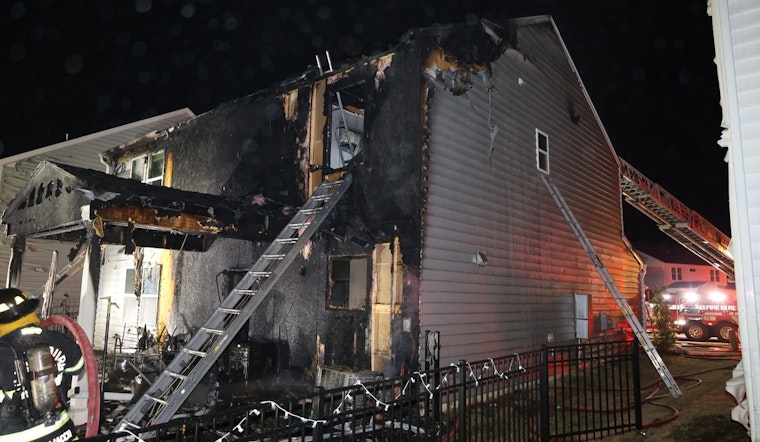
What started as lithium-ion batteries sitting on a back patio ended with a two-story home damaged and its residents displaced Saturday evening on Chumbley Point Road, according to investigators.
Fire officials say the blaze in the 6000 block of Chumbley Point Road began when lithium-ion batteries on the back patio overheated and ignited. Crews from the Charlotte Fire Department knocked down the fire in roughly 20 minutes, with about 30 personnel working the scene. No injuries to civilians or firefighters were reported, but the department estimates about $175,000 in property and content loss. Occupants were displaced while investigators examined the scene.
Official Update From Charlotte Fire Department
In a social media update, the Charlotte Fire Department said the Charlotte Fire Investigation Task Force determined the fire was accidental and started on the back patio when lithium-ion batteries overheated. The Charlotte Fire Dept also reported that crews brought the blaze under control in about 20 minutes, that approximately 30 firefighters responded, and that the home’s occupants were displaced.
How The Fire Probe Works
The Charlotte Fire Investigation Task Force is a multi-agency unit that pairs Charlotte Fire investigators with the Charlotte-Mecklenburg Police Department, the N.C. SBI and federal partners to determine a fire’s origin and cause. Materials from the City of Charlotte Fire Department explain that investigators rely on physical evidence, detailed scene mapping and witness interviews to reach their findings.
Why Lithium-Ion Batteries Are Especially Hazardous
Lithium-ion cells can enter thermal runaway, a rapid and self-sustaining overheating process, and can produce intense flames and toxic smoke. That combination makes these fires hard to control and vulnerable to reigniting. Guidance from the U.S. Fire Administration outlines the unique hazards of battery fires, while national reporting has tracked a rise in incidents tied to rechargeable mobility batteries in other cities. AP coverage has documented similar cases and the risks they pose to both occupants and firefighters.
Simple Safety Steps For Residents
Fire officials urge residents to treat rechargeable batteries with the same respect they would give any other heat source. That means charging devices on hard, non-combustible surfaces, avoiding overnight charging, using the manufacturer’s charger and keeping spare batteries away from heat and direct sunlight. The National Fire Protection Association’s recent Fire Prevention Week campaign highlights three basic moves: buy listed products, charge safely and recycle responsibly. Checklists from the NFPA and federal guidance lay out practical steps homeowners can follow.
Local Context And Next Steps
Charlotte’s fire department operates dozens of stations and specialized teams that routinely respond to residential fires across the city, including major structure incidents like the Chumbley Point blaze. Officials say the investigation task force will stay on the case as it finalizes a report on the incident. Pages from the City of Charlotte Fire Department describe the investigative tools and multi-agency partnerships that typically come into play after significant fires.
Residents facing displacement or recovery questions after a fire are encouraged to reach out to city services or local relief organizations for help navigating housing, cleanup and support.
For now, investigators say the Chumbley Point fire serves as a local reminder of the growing risks tied to lithium-ion batteries and the importance of careful charging and storage. The department’s social post includes the full summary of what happened and the damage estimate for the home.



