

























































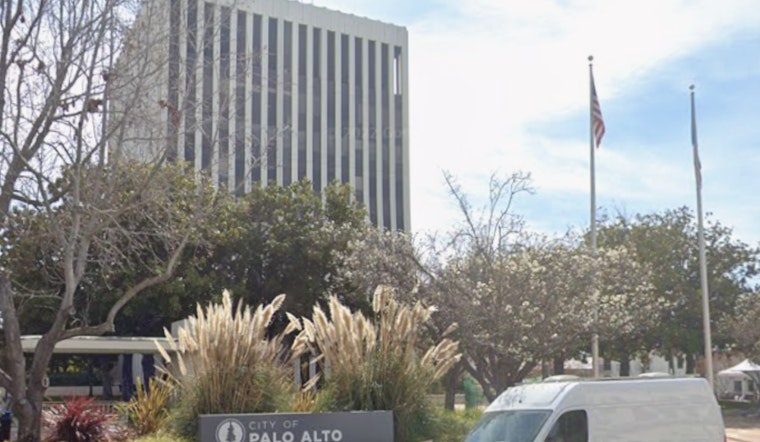
Palo Alto’s simmering fight over so-called billionaire compounds boiled over again yesterday, and this time the status quo won. The City Council rejected a narrowly crafted plan aimed at the cluster of multi-lot private estates in Crescent Park, keeping existing rules in place while kicking the broader questions of construction impacts and vacant homes to a future, citywide review. Supporters framed the proposal as basic neighborhood protection. Critics saw a slippery slope toward punishing people for owning too much property. The showdown was the latest round in a years-long battle over high-profile home consolidations that have turned a quiet corner of town into a civic lightning rod.
Proposal Would Have Tightened Construction, Security Rules
The plan, laid out in a colleagues’ memo from Councilman Keith Reckdahl and Vice Mayor Greer Stone, took aim at the side effects of massive residential projects rather than wealth itself. It would have set time limits on lengthy construction timelines, required licenses for private security operations, and imposed occupancy caps on owners holding more than three properties on the same block. Neighbors would have been given explicit standing to sue over violations, a backstop supporters argued was essential if the rules were going to have any teeth. Instead, the council voted down the package and opted to direct staff to study construction and vacant-home regulations across the entire city, according to the Palo Alto Daily Post.
Why The Idea Was Brought Forward
The push did not come out of nowhere. It grew out of national and local stories that zeroed in on an expanding private enclave in Crescent Park. Mark Zuckerberg and his family have snapped up roughly 11 houses in the neighborhood, roughly $110 million worth of deals, and then launched intensive remodels backed by private security and a briefly run private school. Neighbors complained for years about noise, traffic, and a sense that a regular residential block was turning into something closer to a private campus. That coverage helped push Palo Alto officials to ask whether the municipal code has enough tools to shield small-lot neighborhoods from similar transformations.
Council Divided Over Property Rights
Once the memo hit the agenda, the philosophical split on the dais was immediate. Some council members backed the idea of giving ordinary residents more leverage. “We’re asking regular citizens to have the money and gumption to go up against the billionaires,” Councilwoman Julie Lythcott-Haims said, arguing that without stronger rules the playing field is anything but level. Others bristled at policies that explicitly target concentrated ownership. Councilman Pat Burt warned that singling out certain property owners is “really inappropriate and legally questionable.” Mayor Vicki Veenker urged colleagues to step back from rules tailored to one high-profile cluster of parcels and instead weigh the broader impacts of construction across Palo Alto, according to the Palo Alto Daily Post.
What Reckdahl And Stone Proposed
In their memo, Reckdahl and Stone outlined a suite of tools designed to blunt the neighborhood fallout from parcel aggregation rather than ban it outright. They floated deadlines for multi-year construction projects, expanded disclosure requirements, and detailed parking and circulation plans so streets would not be clogged for months at a time. The proposal also called for clearer permit rules for private security vehicles operating on public streets, new occupancy standards for owners controlling several nearby homes, and a provision that would let neighbors file civil suits if the city’s own enforcement fell short. Those measures, and the legal questions swirling around them, were laid out in local coverage and in the memo itself, according to the Mountain View Voice.
Neighbors' Reaction And What's Next
For residents living in the shadow of the compounds, the outcome landed with a thud. Neighbors have repeatedly told the city that the wave of acquisitions and construction fundamentally changes what it feels like to live on their blocks, according to the memo, and some warned that copycat compounds are almost certainly going to happen if Palo Alto does not move quickly to set firm, consistent rules. The Mountain View Voice reported that Planning Director Jonathan Lait told officials staff have not been instructed to draft an ordinance and that any serious citywide response will require additional staff resources. For now, that leaves timelines murky, enforcement uncertain, and neighbors watching closely to see whether the next big buyer starts circling their block.





