

























































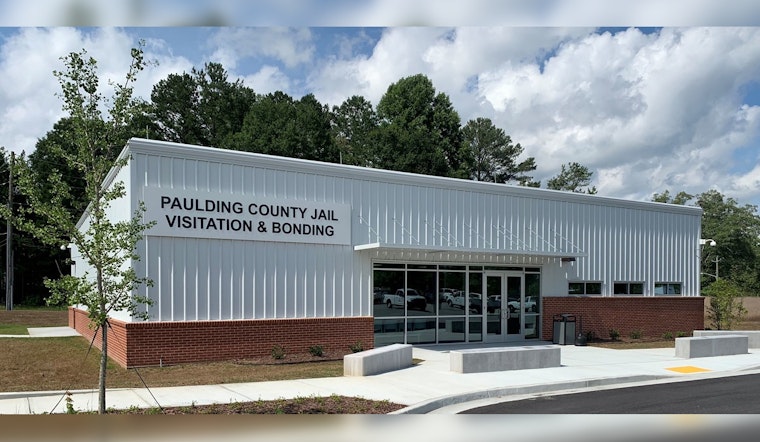
The Paulding County Jail is rolling out a new $600,000 high-tech monitoring system designed to track movement, breathing, and heartbeats so staff can step in faster during overdoses or other medical emergencies. Crews have started installing sensors in roughly five dozen holding and medical cells, and 62 fixed monitors are already active as part of a pilot program. County leaders say they are concentrating first on cells used for people who are detoxing or experiencing a mental health crisis.
How the system works
Paulding County officials told FOX 5 Atlanta that wall-mounted monitors detect subtle changes in breathing and heart rate and then alert deputies if someone appears to be in medical distress. The jail, which currently holds about 300 people and is operating at roughly half capacity, is testing the setup as a safety upgrade. Capt. Keith Thomas, the assistant jail administrator, called the technology a necessary tool to “combat opioid overdoses and suicide prevention.” The sheriff’s office says the devices are meant to speed up medical response and document what happens during an incident in order to reduce liability, and that if the pilot goes well, the system could eventually expand to include wearable bands for real-time tracking.
Funding and the opioid settlement
County leaders say the project is being funded with opioid settlement money instead of general tax dollars. Paulding’s annual financial report lists an “Opioid Remediation Fund” among its special revenue accounts, and the state’s Georgia Opioid Crisis Abatement Trust outlines how settlement money is distributed for treatment, prevention, and related efforts. Officials say tapping those settlement dollars allows the county to leave the general fund untouched while the jail targets overdose risk inside its walls.
Why officials say it is needed
Research and nationwide reviews show that drug and alcohol deaths and suicide are leading causes of mortality in jails, a reality that corrections leaders point to when defending investments like this one. Analyses by the National Academies and other public health experts report that overdose deaths in correctional settings have climbed in recent years, and that stronger monitoring and access to medical care can save lives. Local officials describe the new sensors as a practical way to buy crucial minutes for medical staff while longer-term treatment and rehabilitation programs continue to develop.
Concerns and next steps
Talk of expanding the system and adding wearable bands has also raised red flags about privacy, data access, and how long sensitive information might be kept. Reporting on similar systems elsewhere has shown that pairing wall sensors with wristbands can both alert staff to emergencies and deepen surveillance of people in custody, which has led advocates to push for clear rules about who can see biometric data and how long it is stored. Paulding officials say they plan to keep the pilot focused on high-priority cells for now and to weigh policies on data use, retention, and medical consent before deciding on any broader rollout.
Installation is still underway, and county leaders say the immediate goal is to cut down on preventable medical deaths in the jail while preserving a clear record of how staff respond. Community groups and privacy advocates are expected to watch closely for transparency on data policies and for signs that the tech is backed up by treatment resources and adequate staffing, not used as a substitute for them.





