

























































Maricopa County's jail system saw a sharp rise in deaths last year, and the surge is stoking a heated fight over how drugs are slipping past security. Sheriff Jerry Sheridan is standing by his early-term decision to halt routine body scans of jail staff, even as grieving families and advocates demand tougher safeguards. The overdose spike is forcing officials to juggle technology, staffing and trust in facilities already stretched thin by a deadlier drug supply.
In 2025, 39 inmates died in Maricopa County Sheriff's Office custody, a dozen more than in 2024, and most of those deaths were overdoses, according to ABC15. "Those inmates in custody are my responsibility ultimately, and so I take every death, every illness, every incident in those jails very personally," Sheridan said.
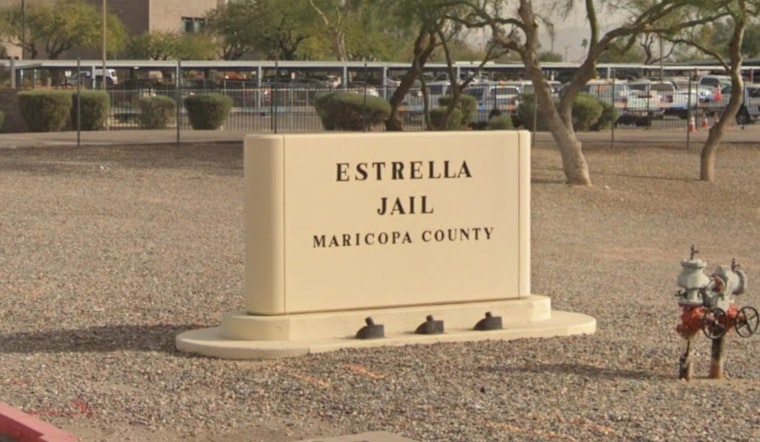
The crisis came into sharp focus in February when a dozen women overdosed at the Estrella Jail and one later died, according to AZFamily. The outlet reported that officers used a drug‑sniffing dog and found suspected fentanyl hidden in an inmate's body cavity. MCSO says detectives are investigating whether the incidents are connected and have identified people of interest.
Sheridan ended the employee scanning policy on Jan. 14, saying in a video message that guards had been treated "like suspects" and that most contraband comes from visitors, mail and contractors, as Phoenix New Times reported. Family members and advocates point to earlier smuggling cases and a long list of officers with integrity concerns as reasons the scanners were kept under the previous administration.
Statewide fentanyl surge
Sheridan and county leaders have framed the rise in jail deaths as part of a wider fentanyl emergency gripping Arizona, where illicit synthetic opioids have driven recent increases in overdose fatalities, according to Cronkite News. Public health experts say fentanyl's potency, unpredictable strength and newer powder forms make it tougher to spot and easier to stash.
What officials say they're doing
Sheriff's spokespeople say detention staff are on heightened alert and that the agency is pursuing new technology, including X‑ray screening machines to detect drugs hidden in body cavities, while detectives continue to probe the incidents, according to AZFamily. The office says some screenings for visitors and contractors will increase, even as routine staff scans remain on hold.
How scanning became policy
The current clash traces back to 2023, when the office arrested a detention officer for smuggling meth and fentanyl. That scandal prompted then-Sheriff Paul Penzone to buy body scanners and require staff screenings, Phoenix New Times reported. Sheridan's decision to scrap that requirement has revived a bitter debate over whether scans actually deter smuggling or mainly damage hiring and morale.
Families press for answers
Relatives of people who died behind bars have held vigils and demanded transparent investigations into how drugs are getting into county lockups. Hoodline covered a recent gathering by family and friends of Kiethsa Sasser, who say the county needs clearer protocols and stronger oversight, as tensions between families and the sheriff continue to simmer.
Sheridan maintains that staff are not the primary source of the drugs and argues that his office is battling a statewide trend. He has also warned that the jail system is severely understaffed, roughly 700 detention officers short, which he says makes both interdiction and basic supervision harder, according to ABC15. County officials say they will keep pursuing technological and investigative fixes while families continue to press for accountability.





