

























































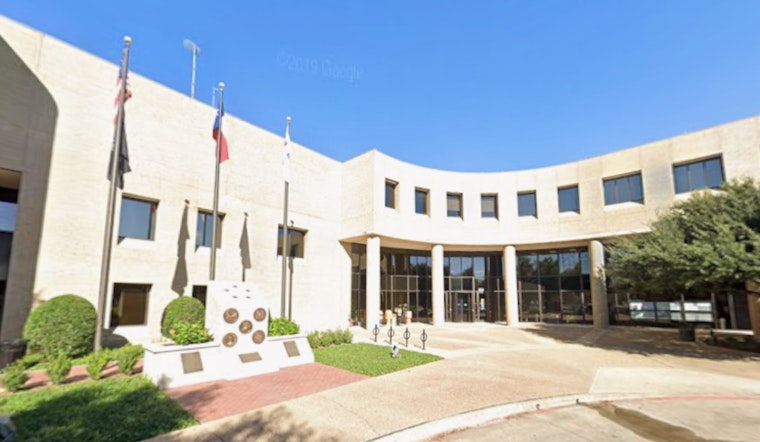
Plano homeowners may want to take a deep breath: city officials signaled at last Monday’s City Council meeting that higher property tax bills could be on the horizon after a new five-year financial forecast showed expenses climbing faster than revenues. Staff told council members that rising inflation, bond-funded projects and a shift in public-safety staffing are driving the growing gap between likely revenues and the city’s spending plans. The presentation outlines scenarios in which the council may need to raise the property-tax rate to protect fund balances and avoid cutting services.
Director of Budget and Research Karen Rhodes-Whitley, joined by consultants from NewGen Strategies and Solutions, walked the council through a series of models testing different tax-rate choices. Departments are now finalizing their budget requests, and the city manager is set to compile a recommended budget to bring back this spring. As reported by Community Impact, the council will take public input on the proposal over the summer before adopting a budget.
Forecast, Revenue Scenarios and Risks
The city’s forecast shows general-fund appropriations growing at roughly 3.2% per year, while total market value is modeled to increase about 3.3% annually. The catch is that exemptions and property-tax freezes mean much of that market-value growth will never show up on the taxable rolls, which tightens the city’s wiggle room.
NewGen’s scenario analysis finds that keeping a flat “no-new-revenue” rate would allow appropriations to outpace revenues and gradually draw down reserves. By contrast, the “voter-approval” scenario, which allows about a 3.5% annual increase on existing property values, would restore fund balances more quickly. These projections are detailed in the City of Plano presentation.
Public Safety and New Facilities Are the Big Drivers
Much of the pressure in the forecast comes from public-safety and capital costs tied to specific facilities. According to the City of Plano, Fire Station No. 8 is programmed for a remodel in 2027. The 2025 bond’s Proposition D would add Fire Station No. 14, expected to come online in fall 2028, as outlined by the City of Plano. Both projects bring new operating costs once they open.
On top of construction, Plano Fire-Rescue is moving to a new staffing schedule and plans to hire about 120 firefighters by 2030. Consultants estimate those changes will add more than $20 million a year by FY 2030-31. Those staffing and cost figures were reported to the council and summarized by Community Impact.
Council Choices and Tradeoffs
Council members have a few unappealing options on the table. They can adopt the no-new-revenue rate and hold the tax rate flat, choose some amount above that, or use the voter-approval option (about 3.5%) to raise revenue without triggering a rollback election. NewGen’s analysis suggests that some increase above the no-new-revenue rate is likely required to meet existing service-level policies without banking on optimistic sales-tax assumptions.
As outlined in the City of Plano presentation, the council will have to weigh near-term tax moves against one-time fixes and reserve policies, deciding how much financial cushion they are willing to keep while costs rise.
How This Could Hit Residents
Plano cannot simply lean on sales tax to solve the problem. Texas caps local additions to the state sales tax, and the combined state and local sales-and-use tax rate tops out at 8.25%, according to the Texas Comptroller. That limit leaves property-tax adjustments as the primary lever for municipal revenue when recurring costs go up.
The city’s forecast assumes modest growth in market value but makes clear that exemptions and freezes will limit how much of that growth can be turned into actual tax receipts. For homeowners, that combination sets the stage for the kind of tax-rate debate that tends to pack council chambers.
Next Steps
Over the spring and summer, the council will take public comment, refine department requests and vote on a budget and tax rate ahead of the Oct. 1 start of the next fiscal year. Residents can watch council meetings live on PlanoTV and sign up to speak at upcoming hearings. The city’s meeting portals will continue to post agendas, presentations and video for those who want to dig into the numbers themselves.




