

























































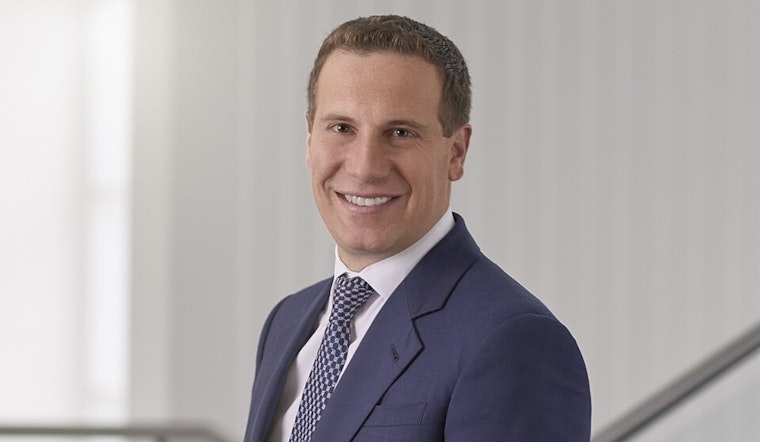
Mat Ishbia, the president and CEO of Pontiac-based United Wholesale Mortgage, has been ordered to sit for a deposition in litigation tied to the lender’s controversial “All-In” ultimatum announced in 2021. The ruling pulls a high-profile witness into discovery in a cluster of cases that have challenged UWM’s broker practices and pricing since the policy debuted.
According to Crain's Detroit Business, a federal court has directed Ishbia to give sworn testimony as part of discovery in a suit that traces back to that 2021 pronouncement. The order follows months of wrangling over how far discovery should reach in disputes connected to the All-In policy.
Ishbia unveiled the All-In initiative in March 2021, telling independent mortgage brokers they would need to stop doing business with certain rivals, including Rocket Mortgage’s wholesale arm and Fairway Independent Mortgage, if they wanted to continue working with UWM. The hard-line stance reshaped broker economics and quickly drew criticism and legal challenges from brokers and later from borrowers and industry observers.
The ultimatum has spawned multiple federal filings and counterclaims. In one dispute, court papers outline a disputed timeline in which brokers say they were promised a 60-day trial window even as contract language referenced the All-In addendum, a sequence that judges and lawyers have been dissecting in motion practice. Records in the Eastern District of Michigan, as filed on Justia, describe those competing versions of events and form the backbone of the litigation over breach and inducement claims.
Why the deposition matters
A deposition is sworn, out-of-court testimony that is transcribed and can be used at trial to test or support witness accounts. Under the federal rules, depositions are governed by Rule 30 and are subject to time limits and court supervision. Cornell Law School sets out the Federal Rules of Civil Procedure that establish the basic framework for how and when parties can take that testimony.
Court systems sometimes shield senior executives from so-called apex depositions unless the party seeking testimony shows the executive has unique, non-duplicative knowledge and that other, less intrusive sources have been exhausted. Recent commentary and case law highlight judges weighing the need for CEO testimony against the burdens on corporate leadership when deciding whether to allow such questioning. Analysis from EDiscovery LLC notes that those standards often determine whether a CEO like Ishbia must sit for an extended examination or whether the company can limit the scope and timing.
What’s next
Next up is a likely fight over scheduling and scope. Ishbia’s lawyers can seek protective orders or other motions to narrow the subjects and length of questioning, while plaintiffs are expected to argue that his testimony is central to proving who authorized and enforced the All-In program. How the court rules on those issues could tighten or broaden discovery across related matters, including consumer and broker suits that have named UWM and, in some cases, Ishbia personally. Recent filings available through GovInfo show multiple, overlapping actions that lawyers on both sides are treating as discovery-intensive.
UWM has repeatedly disclosed litigation tied to the All-In initiative in regulatory documents and has said it will vigorously defend against the claims. The company also tells investors it does not expect those matters to have a materially adverse effect on the business, language that brokers and shareholders will be watching closely as discovery moves ahead. Filings with the SEC outline the range of suits and the company’s ongoing responses.
For Pontiac and the wider metro Detroit area, the order keeps a hometown company and its high-profile CEO in the national spotlight and underscores how a single corporate decision can spill into courtrooms across the country. Brokers, borrowers and investors will be watching both the timing and tone of any testimony as discovery continues to shape potential settlement or trial outcomes. Recent Hoodline coverage highlights the company’s significant local presence and why the case resonates far beyond the legal filings.





