

























































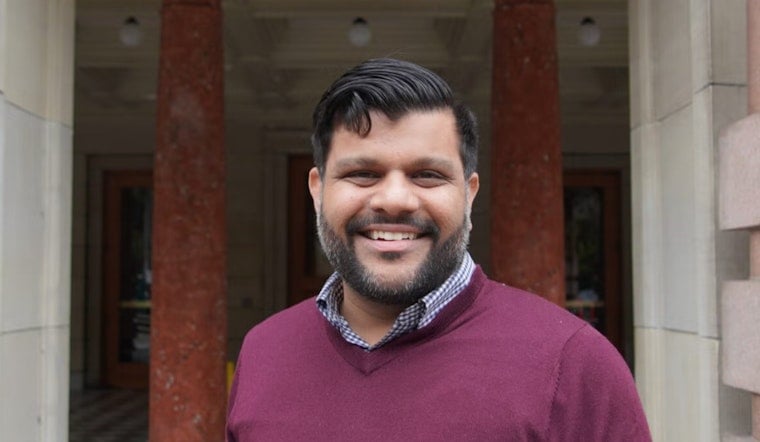
Portland Councilor Sameer Kanal leaned on a social media account about a reported southeast Portland 7-Eleven robbery to sell his push for a city ordinance that would ban officers from wearing face coverings and require visible badges. There is one big problem: police and prosecutors say the specific claim that the suspect was masked is wrong, and Kanal later edited his Instagram caption. The dust-up is sharpening a running fight over accountability, public safety, and how fast online stories can bend real-world policy talks.
How the claim fell apart
Portland police and county prosecutors told OregonLive that the 19-year-old arrested in the 7-Eleven case was not wearing a mask when he was taken into custody, undercutting the detail Kanal highlighted in his social media post. After those statements, Kanal edited his Instagram caption and removed the description of the suspect as masked, while telling the outlet that his larger concern about police impersonators and the trauma they can cause has not changed. The correction has set off calls from city leaders and advocates to slow down and verify online claims before they show up in legislative hearings and proposed ordinances.
What Kanal is proposing
Kanal’s draft ordinance would prohibit city police from covering their faces in public encounters and would require officers to display either a last name or a badge number. The proposal would also direct Portland Police to investigate and, if needed, detain people who claim to be law enforcement but cannot show proof of that authority. Kanal told KPTV that the ordinance is intended to shield residents from impersonators and make it easier to hold officers accountable when arrests involve unmarked vans or plainclothes teams. Assistant Chief Brian Hughes told the same meeting that any city rule would not be able to force federal agents to uncover their faces, according to the station’s reporting.
State law and the legal tangle
The local fight is unfolding just as Oregon lawmakers have passed HB 4138, a statewide bill that orders law enforcement agencies to adopt rules limiting facial coverings and requiring clear identification. The measure, now filed as Chapter 66 in the legislative record, is written with narrow carve-outs for undercover and tactical operations and lets people seek court injunctions if agencies do not follow the rules, according to the Oregon Legislative Information System. Supporters pitched HB 4138 as a transparency boost for immigrant communities and others, while critics warned it could create safety issues and bargaining headaches for departments, per session roundup coverage of the bill.
Legal headwinds and union pushback
The question of how far states can go in regulating federal agents is already tied up in the courts. In California, parts of that state’s own mask and identification package have been temporarily blocked by an appeals court, a ruling summarized by NBC Los Angeles. In Portland, Police Chief Bob Day said the bureau has asked the city attorney for advice on how those rulings could affect a local ordinance, and Portland’s police union argued that getting basic facts wrong in public debates can fuel discord, according to OregonLive. The mix of unsettled case law and union concerns has city lawyers watching both the new Oregon statute and the out-of-state challenges closely.
What’s next for the ordinance
Kanal told KPTV that he plans to revise his draft after more public feedback, then bring a new version to the full council for a vote. His Instagram correction has become a talking point for critics who argue that quick-fire posts should not drive lawmaking, while supporters point to HB 4138 and experiences in other states as evidence that reforms are overdue. Council members, union representatives and city attorneys now have to thread a legal needle by writing rules that protect residents and clarify who is really an officer, without inviting new liabilities for the city or running into federal preemption and labor bargaining limits.





