

























































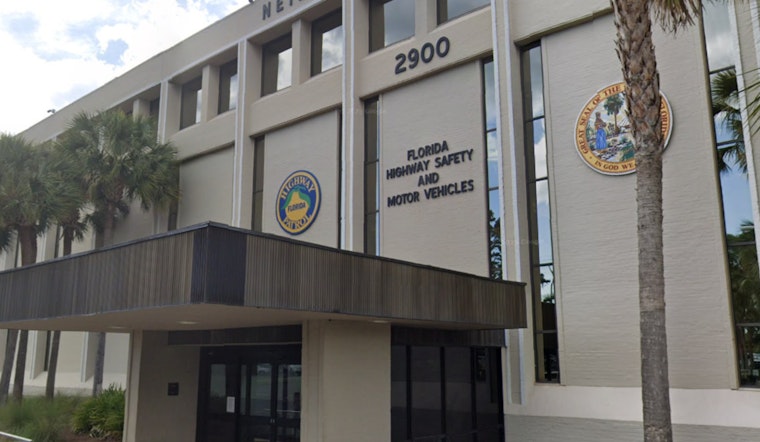
A national disability group and several Florida residents are taking the state's new "pregnancy parking" law to federal court, arguing that a feel-good perk for expectant mothers is already squeezing out the people accessible spaces were designed to serve. The plaintiffs say the permit program lets pregnant drivers use van-accessible aisles and ramps, the extra-wide zones that people with mobility disabilities rely on to safely enter and exit their vehicles.
Who Sued and Where
In a First Amended Complaint filed April 13, 2026, United Spinal Association joined plaintiffs Faith Olivia Keller, Kimberly Harrison and Laura Abbott in suing the Florida Department of Highway Safety and Motor Vehicles and its executive director in U.S. District Court for the Northern District of Florida, according to the first amended complaint. The case is docketed as United Spinal Ass'n v. Florida Dep't of Highway Safety and Motor Vehicles, No. 4:25-cv-00450-AW-MAF.
Why Advocates Amended the Case
The Disability Rights Education and Defense Fund, co-counsel for the plaintiffs, says the updated filing adds new plaintiffs after an earlier challenge was dismissed for lack of standing, and that the additional parties spell out the law's real-world harms to disabled drivers and to small businesses. The group’s press release describes drivers forced to transfer in traffic lanes and salon owners who can no longer guarantee accessible parking for clients, according to DREDF.
How the Permit Works
The measure, part of a 2025 transportation package signed by Gov. Ron DeSantis in June and effective July 1, 2025, created an "Expectant Mother" temporary parking permit that the state issues when a physician certifies pregnancy, and the placard is valid for up to one year. That setup is reflected in the state's own application form, which requires only a physician's certification of pregnancy rather than proof of a mobility impairment, according to the FLHSMV application.
The Heart of the Lawsuit
Plaintiffs argue the statute conflicts with the Americans With Disabilities Act because pregnancy alone is not a mobility disability, yet the law lets people without mobility impairments draw from a limited pool of accessible spaces, the complaint says. The filing also contends that the Florida Department of Highway Safety and Motor Vehicles issued more than 10,000 expectant-mother permits between June 1, 2025 and Jan. 31, 2026, a figure plaintiffs cite to show the law's immediate impact, per the complaint.
Voices From Plaintiffs
Faith Olivia Keller, who uses a wheelchair, told CBS12 that van-accessible spaces and access aisles are essential to her independence and that losing reliable access can push disabled drivers to skip medical appointments and everyday errands. United Spinal and a plaintiff who runs a small business say the law is already affecting customers with disabilities who depend on close, accessible parking, according to CBS12.
What the Plaintiffs Want
The suit asks a federal judge to block the statute, rescind the permits already issued, or, alternatively, require Florida to create separate, designated pregnancy parking spaces instead of allowing expectant-mother placards to be used in disability spaces, according to DREDF. Plaintiffs say those remedies are needed to preserve van-accessible aisles, curb cuts and other accessibility features that federal standards reserve for people with mobility disabilities.
Legal Implications
The dispute centers on whether a state statute can lawfully broaden who may use federally protected accessible parking without adding new accessible spaces. That question raises Title II issues under the ADA and federal accessibility standards for parking spaces and access aisles. Federal guidance on Title II explains that state and local programs must provide program access and comply with ADA standards for parking design and scoping, which plaintiffs cite as the legal baseline in the case, according to ADA.gov.
What Comes Next
The case remains pending in federal court in Tallahassee. If the judge grants an injunction, it could force Florida to rescind existing permits or set up separate pregnancy-only spaces instead of opening disability spots to a broader group. For now, disability advocates say the lawsuit spotlights a bigger fight over how many accessible parking spaces states must provide and exactly whom those spaces are supposed to serve.




