

























































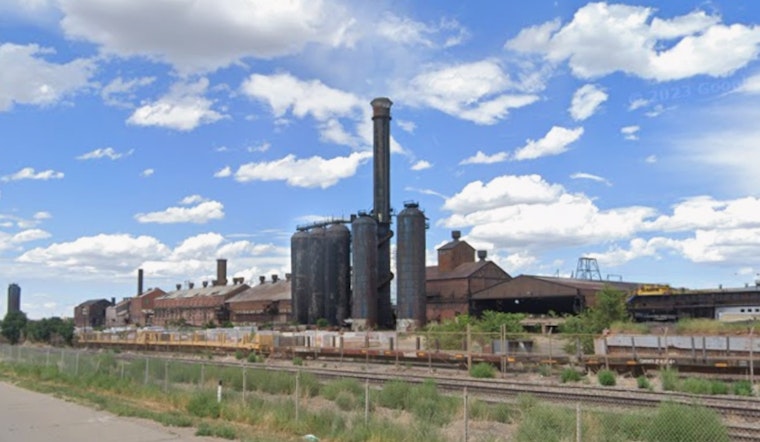
Union Pacific has locked in a seven-year deal to buy track rail from Rocky Mountain Steel Mills in Pueblo, Colorado, giving the city’s solar-powered steel plant a major vote of confidence. The agreement lands just as the mill gears up to launch a new long-rail production line in late 2026 and arrives on the heels of months of legal battles between the factory and major railroads over pricing and shipments.
In a company announcement cited by Colorado Public Radio, Union Pacific confirmed the seven-year commitment and said it will purchase the Pueblo mill’s longer rail sections once the new line is running. The plant is slated to roll out 328-foot rail segments, far longer than the standard 80-foot pieces, which the railroad says should sharply reduce field welds, boost safety, and cut maintenance costs. Company leaders framed the contract as a way to secure a steady supply of domestically produced track, while Colorado officials touted it as a win for Pueblo’s workforce and for U.S. rail manufacturing.
A Solar-Powered Mill And A Billion-Dollar Build
Rocky Mountain Steel Mills, now part of Atlas Holdings’ Orion Steel group, says it has overhauled the Pueblo facility with new electric-arc furnaces and invested roughly $1 billion to add a long-rail production line and a world-class testing complex. The company points to the Bighorn solar project and about 750,000 on-site panels covering roughly 1,800 acres as the backbone of what it touts as the world’s largest solar-powered steel mill. Officials say that a mix of modern equipment and on-site renewables positions the plant to deliver longer, higher-performance rail to U.S. buyers, including Union Pacific, according to Mile High CRE.
Legal Fallout And What Remains
The fresh Union Pacific agreement resolves a pricing dispute between the railroad and the mill, but not all of Pueblo’s rail drama is over. BNSF filed suit last winter, alleging that shipments from the plant were halted after the mill pushed for steep price hikes, a case that is still pending, reported Colorado Public Radio. Rocky Mountain Steel has maintained that it was simply seeking market-level price adjustments to keep domestic railmaking viable and has defended its stance as necessary to preserve U.S. rail production. Attorneys for the companies and the mill did not immediately respond to requests for more details on the settlement terms.
Why This Matters In Pueblo
Local leaders are treating the contract as a lifeline for Pueblo’s economy. The mill directly employs more than 1,000 workers and supports thousands of additional jobs across southern Colorado. Governor Jared Polis and state economic officials have cheered Atlas Holdings’ purchase of the facility and the planned expansion, saying the investment should bring long-term stability and growth to the region. The Union Pacific deal gives Pueblo a clearer shot at steady work and a reliable tax base as the plant shifts into long-rail production and attracts related supplier activity, according to a 2025 release from Governor Polis’ office.
Rocky Mountain Steel says Union Pacific will start taking deliveries as the long-rail mill ramps up later in 2026, and the seven-year agreement should give the plant predictable demand as it scales. In a region that has watched its steel and rail footprint shrink over the years, the contract is being cast locally as a sign that Pueblo’s mill is set to remain a key player in U.S. track production for the foreseeable future.





