

























































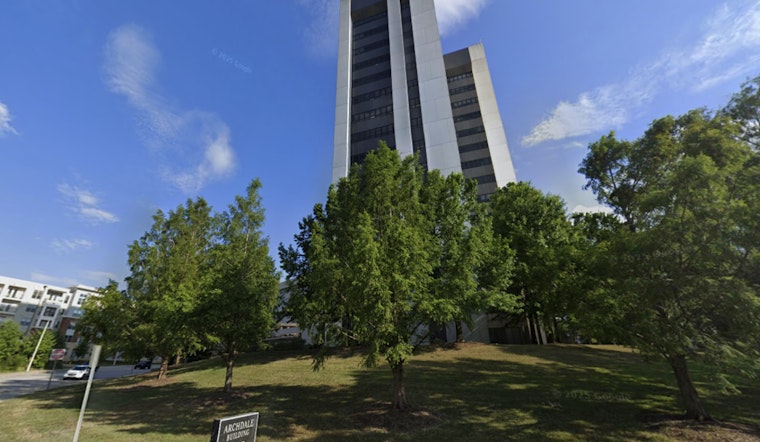
Dozens of residents and environmental advocates packed the ground-floor hearing room of the Archdale Building in Raleigh on Monday night, unloading on state regulators over a controversial set of proposed rules meant to rein in PFAS and 1,4‑dioxane. Speaker after speaker faulted the draft for having no hard limits, no clear deadlines and no automatic penalties, warning that downstream communities could be the ones stuck paying to treat contaminated drinking water. The Raleigh stop is one of six public hearings the Environmental Management Commission is holding around North Carolina while the proposal is open for public comment.
What regulators are proposing
The EMC's draft rule would require certain industrial dischargers and publicly owned treatment works to monitor wastewater for three PFAS compounds, PFOA, PFOS and GenX, and to submit "minimization plans" if screening thresholds are exceeded, according to NCDEQ. A companion rule sets up a similar monitoring and minimization framework for the solvent 1,4‑dioxane and spells out which industrial sectors and treatment plants must conduct testing and report their results, NCDEQ says. Regulators say the goal is to identify sources and push for step-by-step reductions in pollution, but the package stops short of setting numeric discharge limits that would automatically trigger penalties.
What critics say
Environmental groups, downstream utilities and some elected officials told the commission the approach is "toothless" and lets polluters largely police themselves, as critics told WRAL. At hearings around the state, speakers from the Southern Environmental Law Center and local advocacy organizations have described the draft as tilted toward industry flexibility instead of public health, according to reporting by Coastal Review. Utility leaders warned that treating contaminated source water can easily run into the millions of dollars for some systems and argued that without firm, enforceable limits at the source, local ratepayers will keep footing most of the cleanup bill.
How to weigh in and what happens next
For the Raleigh hearing, sign-in and speaker registration opened at 5 p.m. and the meeting began at 6 p.m., with similar sessions scheduled in Asheville and Wilmington earlier and later in the month, per Port City Daily. Written comments can be submitted to DEQ and will be accepted through June 15, and those submissions become part of the official public record. Regulators have also mapped out a projected implementation window for parts of the package, with some actions planned between 2026 and 2029, but opponents argue that the schedule matters far less if the rules never include firm numeric discharge limits, an analysis by Spectrum News 1 shows.
Legal and political stakes
The rulemaking fight is unfolding alongside ongoing legal and political battles over contamination in the Cape Fear River basin and recent changes to how members of the EMC are appointed, changes that Gov. Josh Stein and others have linked to weaker, less health-focused regulations, WRAL reports. Downstream utilities are still pursuing reimbursement and other legal options tied to historic industrial discharges, a backdrop that helps explain why the commission's decision on whether to include numeric limits or penalties could carry major financial consequences.
With the public comment window open and multiple hearings underway, the EMC now has to decide whether its monitoring and minimization framework will stay as a softer approach or be tightened into enforceable standards that carry real consequences. That choice will help determine who ultimately pays for cleaner drinking water. For those who missed Monday's hearing in Raleigh, regulators say written comments will continue to be accepted into the state record through mid June.





