

























































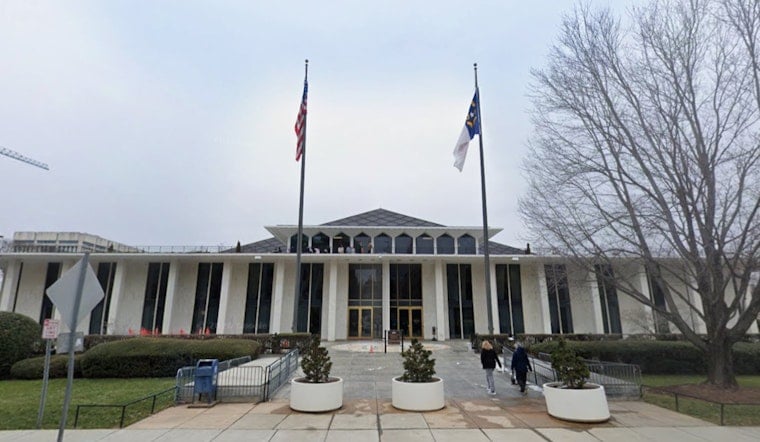
North Carolina lawmakers are gearing up for another round in a sharply contested school-choice fight this week as they weigh whether to override Gov. Josh Stein’s veto of House Bill 87. The measure would put the state into a new federal education tax-credit program that directs private donations into scholarships for private school tuition, tutoring, and homeschool costs. With Republicans sitting just one vote shy of the supermajority needed to overturn the veto, the final outcome could hinge on a few legislators willing to cross party lines.
What HB 87 Would Do
HB 87, known as the Educational Choice for Children Act, would authorize North Carolina to opt into the federal Education Freedom Tax Credit and allow the state to certify scholarship-granting organizations that hand out donated scholarship dollars. Taxpayers who contribute to those groups could receive up to $1,700 in federal tax credits for eligible donations, and federal guidance says credits could be claimed for contributions made starting Jan. 1, 2027. Those details appear in a fact sheet and coverage of the proposal, according to EdNC.
Stein's Veto And The Politics
Gov. Josh Stein vetoed HB 87 last August, saying he supports some forms of school choice but will not back a plan he argues would “cut public education funding by billions of dollars.” Stein has said he would be open to opting the state into the federal program once Washington issues clearer guidance on how the credit would help students with the greatest need. His veto and that rationale were reported at the time and still frame the debate, according to AP News.
Federal Push And Local Messaging
The Trump administration’s education team and pro-choice advocates have been pressing Stein to reverse course, arguing that the tax credit would broaden options and help cover tutoring and other services that benefit public school students as well as families in private schools. U.S. Education Secretary Linda McMahon recently made that pitch in an op-ed and during a visit to North Carolina, urging state officials to opt in so that donated dollars remain in-state, according to The North State Journal. Supporters emphasize that the credit could pay for tutoring, transportation, and other education services, not just tuition.
Why The Math Matters
The override math is tight: Republicans hold a narrow majority in the state House but are one vote short of the three-fifths threshold typically needed to overturn a governor’s veto in North Carolina. That slim gap means the bill can advance only if at least one Democrat breaks with the caucus or if Republicans manage an unusually precise alignment between both chambers, according to coverage tracking the legislature’s balance of power. The Assembly NC notes that a single swing vote has tipped the scales in major veto battles in recent years.
The override fight is unfolding as North Carolina continues its broader shift on private-school vouchers. The 2023 appropriations act removed the income cap for the Opportunity Scholarship program, making the vouchers available to all students starting in the 2024-25 school year. The North Carolina State Education Assistance Authority explains those changes and the tiered award structure on its site, and critics warn that layering on a federal tax credit could speed up the diversion of resources from public school classrooms. Background on the expansion is available from NCSEAA, along with reporting on the concerns at EdNC.
What To Watch
The override vote is back on the calendar for consideration in the coming weeks, and organizers on both sides are gearing up for floor action and intense lobbying ahead of any roll call. If the General Assembly does override Stein’s veto, North Carolina would be cleared to join the federal credit program and residents who donate to state-certified scholarship organizations could qualify for the federal tax break. That timetable and the local maneuvering are detailed by Queen City News, while broader national context on the program comes from AP News.





