

























































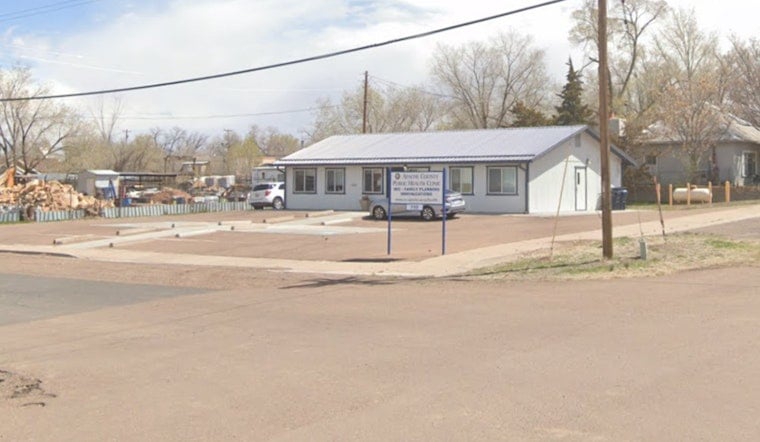
An Apache County resident recently fought off a rare case of plague and recovered after timely antibiotic treatment, according to county health officials, who say there is still little reason for the general public to panic. While public health teams finish environmental assessments and notify medical providers, the confirmation has rural health authorities on alert in parts of northeastern Arizona where rodent-linked plague occasionally pops up. Clinics and hospitals in the area have been asked to keep an eye out for classic symptoms and to start treatment quickly when plague is suspected.
In a press release Tuesday, the Apache County Public Health Services District said the infection was confirmed through laboratory testing and noted it is the county’s first confirmed case since 2015 and the fourth since 2006, according to Apache County Public Health Services District. Officials said they are carrying out follow-up investigations, environmental assessments and public education, and added that there is currently no sign of widespread transmission. The county reminded residents that spotting symptoms early and getting prompt treatment dramatically improves outcomes.
How Plague Spreads And What To Watch For
Plague is caused by the bacterium Yersinia pestis and most often reaches people through bites from infected fleas that live on wild rodents such as prairie dogs and ground squirrels. The Centers for Disease Control and Prevention says symptoms usually show up within 2 to 6 days and can include sudden fever and chills, headache, muscle aches, fatigue and swollen, painful lymph nodes (buboes). More severe illness can bring cough, breathing trouble or bloodstream infection. Because pneumonic plague can spread from person to person through respiratory droplets, health officials stress getting prompt medical evaluation for respiratory symptoms after any possible exposure. For background and clinical guidance, see the CDC.
What Doctors Say And When To Seek Care
Emergency physicians say anyone with a high fever, painful swollen lymph nodes or rapidly worsening respiratory symptoms after potential rodent or flea exposure should get medical care right away so antibiotics can be started if needed. Dr. Frank LoVecchio discussed symptoms and the importance of early treatment on FOX 10 Phoenix's health segment and noted that clinicians in the region have been alerted. Medical teams will use appropriate isolation and testing precautions for patients with respiratory symptoms while diagnoses are confirmed. See local coverage and the health segment on FOX 10 Phoenix.
Prevention Tips For People Who Spend Time Outdoors
Apache County and public health experts recommend straightforward precautions: avoid handling wild rodents or their burrows, use EPA-registered insect repellent, keep pets on veterinarian-recommended flea control and do not touch sick or dead wild animals. The county also urges residents to keep yards clear of debris that attracts rodents and to report unusual rodent die-offs to authorities. Pet owners are advised to seek veterinary care for sick animals and to keep pets from roaming in rodent-heavy areas, per the Apache County Public Health Services District.
How Common Plague Is And What It Means For Arizona
Plague is rare in the United States and typically shows up as only a handful of sporadic cases each year, mostly in parts of the rural West. The Centers for Disease Control and Prevention notes that it persists in wild rodent populations in the Four Corners region. Local officials say a single, treated case does not indicate an outbreak but serves as a reminder to take basic precautions when working or spending time in areas where people and wildlife overlap. Anyone who develops symptoms after possible exposure, or who needs local guidance, is urged to contact a clinician or local health department for evaluation and testing. For national context and case data, see the plague guidance and statistics from the CDC.





