

























































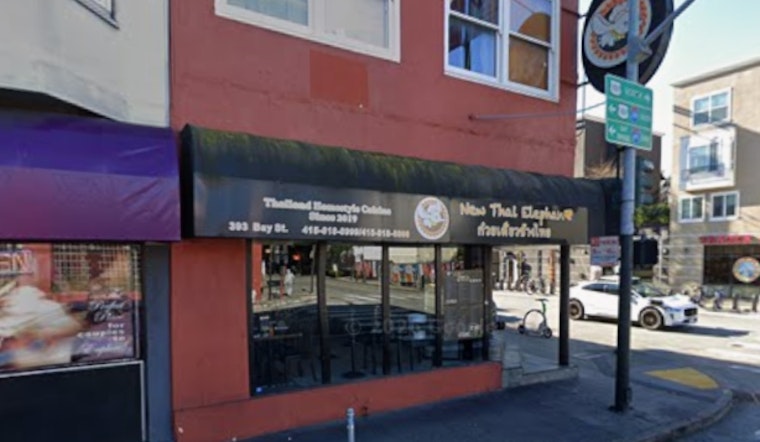
New Thai Elephant’s North Beach dining room went dark yesterday, after San Francisco health inspectors walked in, took a look around, and decided the place posed an immediate risk to customers and staff. An Environmental Health Branch inspection flagged widespread pest activity, unsafe food temperatures and a grab bag of other sanitation problems, leading to a temporary closure while the owners line up repairs and pest control.
What inspectors found
According to an inspection report from the San Francisco Department of Public Health, inspectors logged several critical violations. Multiple ready-to-eat items, including salad dressing, cut tomatoes, shrimp and spring rolls, were sitting at unsafe temperatures between 48°F and 52°F for more than four hours and had to be thrown out. A prep-top refrigerator was not keeping food cold enough, food-contact surfaces like knives and peelers still had food debris on them, and refrigerator gaskets were damaged.
Inspectors also reported standing water near the water heater and raw meats stored together on the same shelf. On the pest front, they documented widespread rodent and cockroach activity, with droppings throughout both the kitchen and dining areas and a dead rodent found on-site. Employee drinks were stored inside food refrigerators, which is another no-go under the health code, per the same report.
The department suspended New Thai Elephant’s health permit and closed the facility while the problems are addressed, according to WhatNow. Before the doors can reopen, the business must show proof of water-heater repair, pest-control services and refrigeration fixes, and management has to obtain a state-approved food-safety certification within 60 days.
About the restaurant
New Thai Elephant operates a second location on the Peninsula and bills itself as a neighborhood spot for lunch and dinner, according to New Thai Elephant and earlier coverage when it debuted in downtown San Mateo. The North Beach outpost has seen steady foot traffic since opening and shows up on walk-by neighborhood guides and delivery apps, per business listings and menus.
What comes next
Health officials say the restaurant can request a reinspection once it submits documentation for repairs and pest-abatement work. The inspection report also requires managers to secure food-safety certification, a standard step before a suspended permit is reinstated. If the violations are not corrected and properly documented, the department can pursue additional enforcement under local health codes, including keeping the operation on ice, according to the San Francisco Department of Public Health.
WhatNow reported that it reached out to the restaurant for comment and plans to update its story. We will keep an eye on the city’s inspection portal and local reporting for any reinspection dates or hearing filings and share updates if things change.


