

























































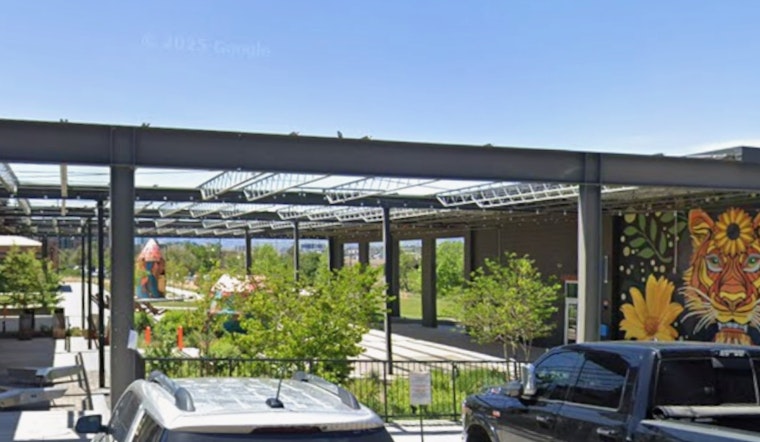
RiNo’s warehouses, murals, breweries and late-night crowds have turned the River North Art District into one of Denver’s busiest neighborhoods. The boom shows up on every block, from packed patios to fresh mixed-use towers, but the real fight is over who gets to decide what comes next and who gets pushed out. That tension has artists, neighborhood advocates and developers locked in a slow-motion tug-of-war over space, money and control of the public realm.
Money and crowds
The money flowing through the district helps explain why the stakes feel so high. Visitors to RiNo topped more than 12,400,000 in 2025, and all that foot traffic and event activity generated about $10,600,000 in sales tax revenue, according to Denverite. At the same time, the less glamorous side of the boom - sidewalks, lighting and basic safety upgrades - is getting bankrolled by district funds. The RiNo General Improvement District’s 2025 work plan ties budgets and debt service to Brighton Boulevard projects and other infrastructure spending, per Denver Legistar.
Three organizations, three missions
On paper, RiNo now runs through three separate but overlapping entities: a Business Improvement District that handles cleaning crews and safety, a General Improvement District that finances streetscape and big infrastructure projects, and the standalone RiNo Art District nonprofit that focuses on artists and cultural programming. That split was supposed to make roles and funding streams clearer. Instead, it has been playing out in public as the groups unwind years of shared operations and try to redraw the lines of who does what, according to reporting from Westword.
Who really calls the shots?
Local leaders and arts advocates are quick to point out that these public-facing nonprofits and districts can shape programming and public space, but they do not get a veto on what private landowners build. “Neither the BID nor the GID nor the art district has a say or control over what a private developer does with their land,” Rachel Marion told Denverite. Kiah Butcher added that while the groups “can’t stop development,” they can “inform the right people and create spaces and platforms for artists to have a say,” and new RiNo leadership argues that protecting creative spaces long term will depend on advocacy and city policy, per that reporting.
Artists, studios and money
That advocacy already shows up in very practical ways. The Truss House - a rentable, subsidized studio and events space - anchors artist programming in RiNo, and the district’s grant programs funneled roughly $300,000 to $400,000 in direct artist support in 2025, according to RAD reporting and budget materials. The BID’s 2025 operating packet also shows nearly $295,000 routed to Keep RiNo Wild and sizable management fees paid to the art district, a snapshot of how public assessments and nonprofit grants are deeply intertwined. See the RiNo Art District and the RiNo BID board packet for details.
Developers reshape the skyline
While boards and committees debate policy, individual developers are changing the skyline at high speed. This spring, a large-scale project at 3300 Blake was cleared for construction, swapping out low-rise industrial buildings for nearly 500 apartments and hundreds of parking spaces. It is a blunt reminder that private deals can move much faster than neighborhood planning documents. Projects on that scale show how much leverage property owners have over RiNo’s physical future and how much pressure that puts on artists and small businesses as rents climb. See local coverage of the Blake Street project in this megablock makeover, as per Hoodline.
City policy is the lever
If there is a real steering wheel in all this, it sits at City Hall. Denver’s Expanding Housing Affordability program creates zoning and height incentives in exchange for building affordable units, setting the outer limits on how dense and expensive new projects can be. Those rules do not hand neighborhood groups a veto, but they do shape what developers can request and what public benefits the city demands in return, according to Denver’s planning documents. See City of Denver planning materials.
What comes next
Expect the power struggle over RiNo’s future to keep unfolding in BID and GID board meetings, city permit hearings, and slick developer pitch rooms as 2026 projects move from paperwork to cranes in the air. Choices about how much of the BID budget goes to cleanliness versus artist grants, how the GID prioritizes debt service on Brighton Boulevard improvements, and how the city uses incentive zoning will help decide whether RiNo remains a production hub for working artists or tilts mostly into a playground for residents and visitors. Community groups are calling for stronger artist protections and more transparent budget priorities as the neighborhood grows, and the fine print will live in official budgets and board packets, including RiNo BID materials and Denver Legistar filings.





