

























































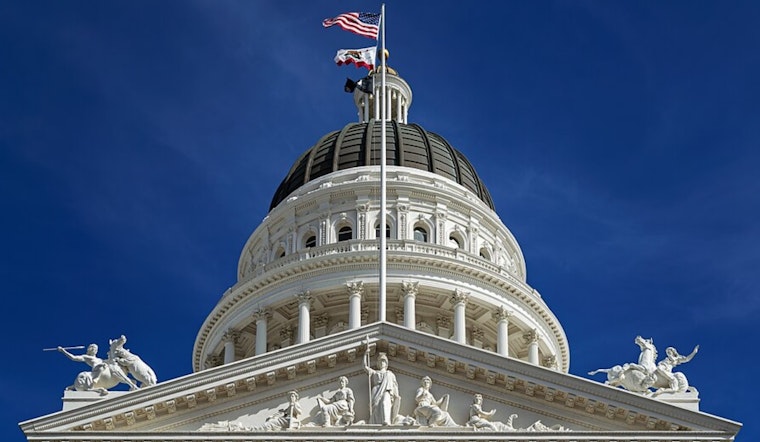
A controversial bill in the California Assembly would expand address-confidentiality protections to people who provide immigration support and make it a crime to maliciously publish their personal information. Supporters say the proposal is about shielding staff and volunteers from doxxing, harassment and threats. Critics warn the language is broad enough to spook watchdogs and independent journalists. The measure has cleared one committee and is now parked in front of the Assembly Judiciary Committee in Sacramento.
What AB 2624 would do
AB 2624, introduced in February by Assemblymember Mia Bonta, would add a new chapter to the Government Code that creates an address-confidentiality program for providers of designated immigration support services, along with their employees and volunteers. It would also prohibit knowingly posting their personal information or images with the intent to threaten or incite violence.
According to the amended bill text on the California Legislature website, “image” is defined to include photographs and video footage. The proposal gives covered individuals or organizations the ability to seek injunctive relief and money damages when posts meet the bill’s intent standard. Parts of the measure are modeled on existing confidentiality laws that already protect reproductive and gender-affirming care providers.
Supporters: protecting workers from threats
Backers say AB 2624 responds to a national wave of targeted harassment aimed at people who help immigrants and is meant to give vulnerable workers a legal tool to push back against doxxing campaigns and keep their home addresses out of hostile hands. As reported by FOX San Antonio, Bonta has pushed back on social media against free-speech concerns, arguing that doxxing isn’t journalism and that the bill stops bad-faith actors who try to threaten immigrant service workers or incite violence.
Supporters also say the proposal would extend California’s Safe at Home confidentiality framework, which assigns substitute mailing addresses and restricts public disclosure of participants’ locations, according to the California Secretary of State.
Opponents: chilling effect on watchdogs
Republicans and free-speech advocates counter that parts of the bill are drafted so broadly they could be used to demand takedowns of videos and hit people with civil penalties even when the footage is aimed at documenting alleged fraud or misuse of public funds. Assemblymember Carl DeMaio has argued the measure would protect nonprofits from public scrutiny and silence independent journalists.
Opponents have nicknamed the proposal the “Stop Nick Shirley Act,” a reference to a conservative content creator whose recent videos have focused on immigration-support programs, according to reporting by FOX San Antonio. For them, the bill is less about safety and more about shielding certain organizations from uncomfortable public exposure.
Legal implications
AB 2624 lays out both civil remedies and criminal penalties. A court could award attorney fees and damages up to three times the actual loss, with a minimum of $4,000. Posts made with the intent that someone else will imminently use the information to commit violence could be punished by fines of up to $10,000 or by up to one year in county jail.
The bill also elevates certain conduct to a felony. If related actions lead to bodily injury, the measure authorizes substantially higher fines and more serious criminal consequences, as detailed in the bill text on the California Legislature website.
What comes next
AB 2624 advanced out of its first committee with an amendment and was re-referred to the Assembly Judiciary Committee. It still has a long path to becoming law: the bill must pass the full Assembly, clear the state Senate and land on the governor’s desk for a signature.
Legislative trackers list upcoming hearings and potential votes on the bill as it moves through Sacramento. Supporters and opponents alike say they plan to keep pressing lawmakers when AB 2624 comes up in future committee meetings.





,_NW_view_up.jpg)