

























































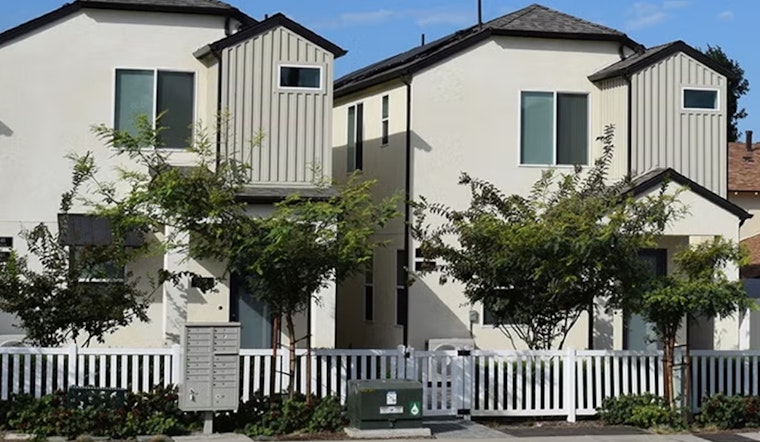
San Diego officials are rolling out a new pitch to families feeling edged out by the housing market: stay put, and the city will rethink some traditional single-family blocks to fit more family-sized homes. The Neighborhood Homes for All of Us initiative is designed to open the door to townhomes, duplexes and small cottages, with the goal of creating more "attainable" rental and ownership options for people who need extra bedrooms and space that typical urban apartments do not offer.
What the city is proposing
Neighborhood Homes for All of Us is structured as a two-phase effort to first visualize, then regulate, smaller "neighborhood homes" that slot into existing single-family neighborhoods. Phase 1 covers feasibility analysis, a technical working group, focus groups and public workshops scheduled for this spring. Phase 2 would package zoning and development regulations based on that public and technical input, according to the City of San Diego.
Why planners say it's needed
Regional forecasts show slower population growth and shifting age patterns that have left fewer San Diegans in their 30s and 40s, the households most likely to need multi-bedroom, family-friendly homes. At the same time, recent permitting and reporting show much of the new housing pipeline is mid-rise apartments in the urban core instead of "middle housing" types in established neighborhoods. That picture comes through in the SANDAG regional plan and local reporting on Clairemont and other community plan updates, per SANDAG.
How the math could change
Feasibility work by London Moeder Advisors finds that scrapping the century-old 5,000 square foot minimum lot size could make room for "High Density Family" homes, such as townhomes, duplexes and small multi-unit buildings, at a much lower cost per unit. That analysis, along with a companion fiscal forecast hosted by LISC San Diego, estimates roughly a 40-42% reduction in replacement-home costs under the scenario. Proponents say that shift is what makes middle housing financially viable in the first place. City staff are using those scenarios to shape the feasibility study and sample site plans that will guide later zoning changes.
By the numbers
Layered on top of current market data, supporters say the proposed neighborhood homes could sell in the $600,000 to $700,000 range instead of closer to the regional median. Axios reported the countywide median sale price is roughly $950,000 and quoted consultant Gary London describing the concept as "attainable" rather than subsidized. County officials also told reporters the region permitted about 6,577 homes over the last four years, or roughly 98% of its target. Those numbers are central to the argument that revising zoning rules is as important as building new subsidized projects.
Next steps and timeline
City planners say Phase 1 public engagement and the feasibility study will continue through summer 2026, with proposed regulatory changes to follow in Phase 2. Workshops, focus groups and a technical working group are expected to produce sample home renderings and site plans that will shape draft zoning changes later this year, according to the City of San Diego. Any code changes would still need formal review, environmental analysis and City Council approval before they take effect.
Neighborhood politics
So far, community reaction has been mixed. Some residents welcome the idea of more housing options and walkable amenities nearby, while others worry about traffic, parking and perceived hits to neighborhood character. Clairemont, often cited by planners as a place where smaller townhomes might fit, has become an early testing ground for these debates, with both advocates and skeptics turning out for workshops and hearings, per KPBS. Expect the spring public workshops to be the main arena where the fine print of the plan gets hammered out.



