

























































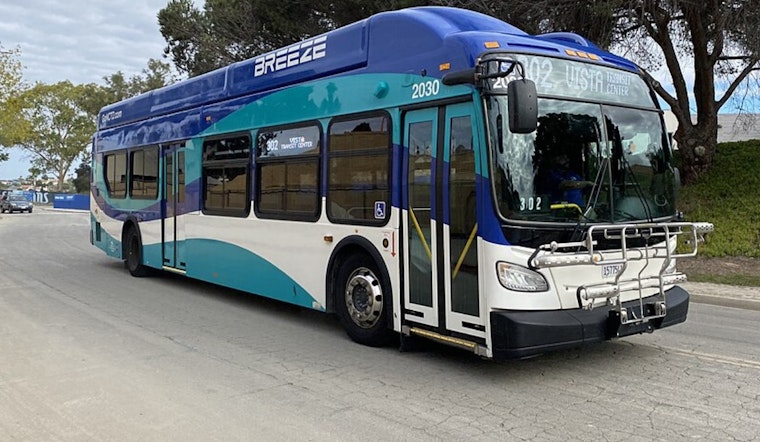
San Diego transit riders could be paying a lot more to get around by late summer or fall, as the region's two major transit agencies size up some of the steepest fare hikes in years. The Metropolitan Transit System and the North County Transit District are set to review proposals Thursday that could boost many fares by roughly 40 percent. For commuters who rely on buses, trolleys and commuter trains, the choice may soon be higher ticket prices now or the risk of deeper service cuts later.
What’s on the table
Under the options being floated, a standard adult one-way ride that currently costs $2.50 would climb to either $3 or $3.50, and the regional adult monthly pass could jump from $72 to $90 or even $100, according to KPBS. NCTD staff told their board that a phased increase is expected to bring in about $650,000 in the first year and roughly $1.2 million after a second phase. MTS is projecting a much larger haul, roughly $11.2 million to $16.8 million in additional annual fare revenue depending on which option directors select. The proposals would also overhaul Coaster pricing by scrapping multiple zones in favor of a single zone. In the scenarios presented, a one-zone Coaster trip would run about $6.50 or $8.
Why officials say the change is necessary
Agency staff describe the fare options as one tool in a larger effort to close multi-year budget gaps and keep service from backsliding. As outlined in MTS committee materials, the board has directed staff to look at fare changes alongside possible service adjustments and other ways to bring in money, including the idea of a local revenue measure on the November 2028 ballot. The same documents stress that fare revenue makes up a meaningful slice of operating funds, which is why officials are pitching what they call modest fare hikes as a way to stabilize core routes rather than hack away at them.
Projected rider impacts and revenue
Forecasts presented to the boards show that higher prices would cost the agencies some riders, but staff argue the bottom does not fall out. NCTD estimates a loss of about 141,000 annual riders, under 2 percent, in the first phase, and around 235,000 annual riders, under 3 percent, after a second phase. MTS is projecting declines of roughly 2.3 million to 3.2 million annual trips depending on which option gets the nod. Agency leaders say the extra cash is necessary to plug looming shortfalls. Rider advocates counter that even a small percentage dip can translate into serious hardship for low-income commuters who have nowhere else to go. Local coverage has also highlighted a rise in fare evasion as an added strain on agency finances, a factor officials say they are weighing as part of the equation, as reported by inewsource.
What happens next
If MTS and NCTD boards vote to advance any of the packages this week, the fare changes would move to the San Diego Association of Governments' Transportation Committee for formal public hearings and another round of votes in the coming weeks, according to SANDAG meeting materials. That regional process is the last step required to amend the Regional Comprehensive Fare Ordinance before anything takes effect. Staff reports and agency portals indicate that no changes would kick in before July 1 under the current schedule, with an actual rollout targeted for sometime in the summer or early fall if each step in the approval chain goes through.
How riders can weigh in
Both agencies have opened public outreach and plan to host hearings where riders can speak up, vent or offer alternatives. MTS has set up a fare-change portal that posts materials, workshop details and sign-ups. The project page also lists upcoming community meetings, formal comment options and contact information for written feedback at [email protected], along with instructions for anyone who wants to address the board directly. Riders who want their voice on the record are being urged to check the MTS and NCTD calendars for exact meeting dates, times and rules for public comment.



