

























































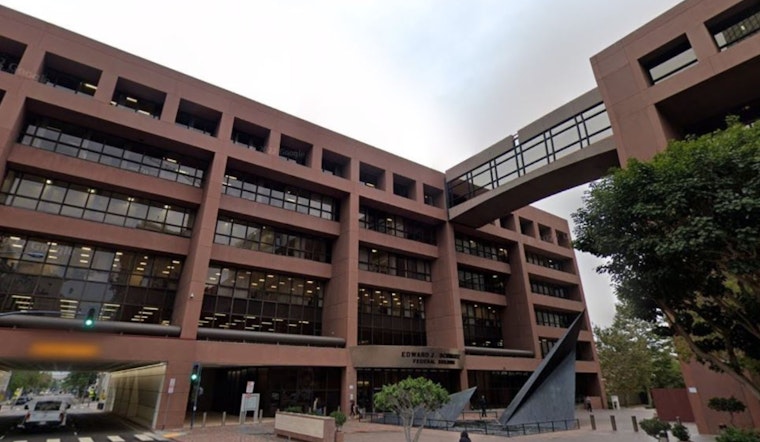
A Chinese national has pleaded guilty in federal court in San Diego after admitting he helped run a sprawling fraud and money-laundering ring that authorities say siphoned about $65 million from elderly Americans. Prosecutors say seniors across the country were targeted, including a San Diego woman who saw her entire life savings vanish. The case pulled together months of work by federal agents and a surprisingly effective group of online scam hunters.
According to a press release from the U.S. Attorney’s Office for the Southern District of California, 30-year-old Ziyue Zhao, who has used the alias “Chris Zhao,” pleaded guilty last Thursday and admitted he took part in the multinational fraud and money-laundering scheme. Prosecutors say that between February 2020 and March 2021, the organization received about 1,269 victim packages that averaged roughly $14,000 each, for an estimated $17,776,000 in losses during that slice of the operation. Zhao is scheduled to be sentenced on June 23.
Investigators say the case eventually grew into a nationwide push that ended in a week-long takedown in August 2025, with arrests and asset seizures in multiple states. Authorities seized more than $4.2 million from accounts along with several luxury vehicles. As noted by IRS-Criminal Investigation, a loose network of YouTube “scambaiters” helped document phone contacts and cash pickups, feeding law enforcement a steady stream of leads. Federal partners included Homeland Security Investigations, the FBI, and IRS-CI, working closely with local agencies.
How Investigators Say The Ring Operated
Prosecutors and court filings describe a hub-and-spoke collection system that started with scam call centers in India. Callers posed as tech-support staff, bank representatives, or government officials, then pressured seniors into believing something was wrong with their accounts and that money had to be moved fast or “secured.”
According to a detailed briefing from the U.S. Attorney’s Office for the Southern District of California, short-term rentals across the United States were booked as temporary drop locations. Victims were told to send cash or valuables, while local operatives showed up using fake names and IDs to scoop up the packages. Prosecutors say that the system allowed scammers to quietly collect relatively small amounts from many people, then move the money quickly across the country and out of reach.
San Diego Victims And Local Impact
San Diego appears directly in the federal filings. Prosecutors highlighted at least one local victim, a 97-year-old widow who lost her life savings to the ring, a worst-case scenario that elder-fraud investigators warn about constantly but still see far too often.
Local partners, including the San Diego County Sheriff’s Department and the San Diego Law Enforcement Coordination Center, worked with federal agents to track packages and claw back assets for victims where possible. Authorities say the case is one more example of a broader wave of elder fraud that has drained seniors of billions of dollars nationwide, often with a single phone call as the starting point.
Legal Implications And Next Steps
Zhao pleaded guilty to conspiracy to commit mail and wire fraud and conspiracy to launder monetary instruments, both of which carry significant potential prison time and fines under federal law. With sentencing set for June 23, 2026, prosecutors say they will seek restitution for victims and may pursue forfeiture of proceeds seized during last year’s enforcement actions.
The broader indictments that grew out of the August 2025 sweep remain active against dozens of other defendants. Many of those cases are still moving through pretrial hearings and trial scheduling, so the legal fallout from the $65 million scheme is expected to stretch on for years.
How Families Can Protect Seniors
Authorities are urging families to treat any unsolicited call demanding money or remote computer access as a major red flag. Seniors should never allow unknown “technicians” to connect to their computers and should be skeptical of anyone claiming to be from a bank or government agency who pressures them to act immediately.
Suspected fraud can be reported to the FBI’s Internet Crime Complaint Center and to the National Elder Fraud Hotline at 833-FRAUD-11. Local victims are also encouraged to contact their bank and local law enforcement right away to start recovery efforts. Officials say that when reports come in quickly, banks and investigators have a better shot at freezing accounts and getting at least some of the stolen money back.





