

























































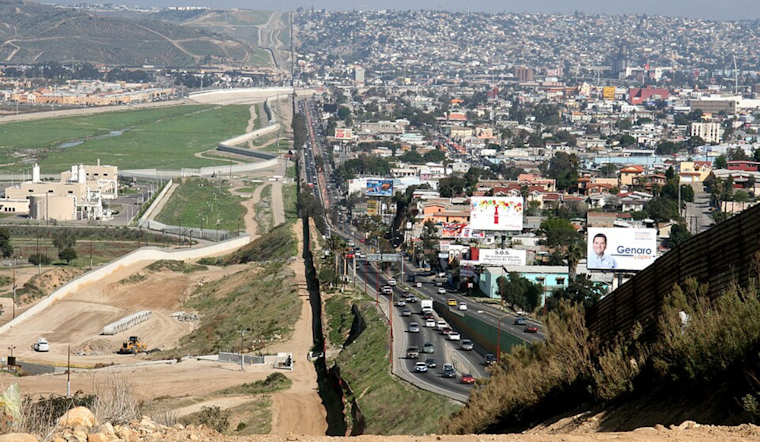
For a growing slice of San Diego’s workforce, making rent now means leaving the country every night. Instead of studio apartments or shared houses north of the border, some workers are renting small places in Tijuana for a few hundred dollars a month, then hauling themselves back across the border for early-morning shifts. The savings can be significant, but they come with punishing pre-dawn alarms, hours in transit and a daily international crossing that feels less like a lifestyle choice and more like a last resort.
In interviews with the New York Post, commuters laid out the math and the trade-offs. Zachary Gabriel said he often starts his day at 2 a.m. so he can make it to work in San Diego by 6 a.m. Another commuter, Amy McAfee, told the outlet she used to pay about $1,200 for a single room in San Diego, but now shells out roughly $400 for a one-bedroom in Tijuana. Vered Familiar said she once paid $2,100 for a one-bedroom in the city and now shares a five-bedroom place in Tijuana for around $550.
Those kinds of moves make more sense when you look at the broader market. The San Diego metro’s median asking rent has hovered around $3,100 a month, according to Realtor.com, and the region recently ranked as the ninth most expensive on a national cost-of-living list. That combination has put a tight squeeze on service-sector and lower-wage workers, nudging some to accept a binational daily routine in exchange for a shot at staying financially afloat.
As the New York Post reported, the cross-border commute typically starts with an Uber or ride to the border, followed by a walk through the checkpoint and then a bus or trolley ride deeper into San Diego. It is a chain of small journeys that saves money but devours time. "This is survival for me," Gabriel told the outlet, explaining that he is the sole provider for his family and the numbers simply do not work any other way. Commuters described exhaustion, long lines and paperwork hassles, but most said the lower rent still outweighs the daily grind.
Safety and travel advisories
The bargain is not just financial. The U.S. State Department currently lists Baja California at a Level 3 "Reconsider Travel" advisory, citing crime and kidnapping risks in parts of the state, including Tijuana. The city recorded 1,807 homicides in 2024, a toll reported by Border Report and republished by Yahoo, a number that some cross-border renters say they factor into their housing decisions. Workers and local community groups tell reporters they take precautions, sticking close to border-area neighborhoods and busy daytime transit routes.
Why this is happening and what it means
Analysts and local reporting say this is not just a collection of personal stories, but a symptom of a strained regional housing system. Tight housing supply in San Diego, persistently high rents and a long-standing binational labor market have combined to push people south of the border in search of cheaper housing. As the Times of San Diego and KPBS have reported, that same demand has started to push rents up in some Tijuana neighborhoods, even though prices there remain far below comparable units in San Diego. Urban planners and housing advocates say the cross-border workaround highlights gaps in the region’s housing safety net that governments will eventually have to confront.
For now, the border commute is a stopgap. It stretches paychecks but eats away at sleep, free time and any sense of daily predictability. Local leaders and housing advocates argue that real relief will require more affordable units and targeted support for low- and middle-income workers, not ever-longer treks from cheaper bedrooms across the border.



