

























































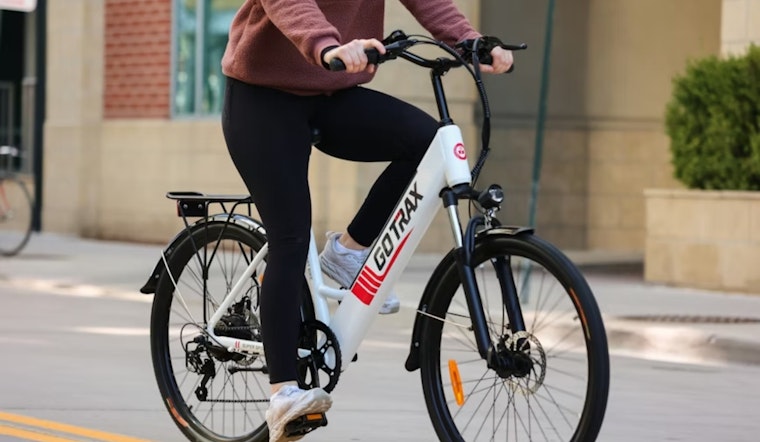
San Mateo County could soon let its cities tell the youngest riders to slow down. State lawmakers are considering a county-specific pilot program that would allow local governments to bar children under 12 from riding common electric bicycles. The proposal, carried by Assemblymember Diane Papan, would let cities tailor rules for Class 1 and Class 2 e-bikes amid rising injuries and complaints about fast or modified bikes, after years of concern and several high-profile crashes pushed e-bike safety onto the county agenda.
Assemblymember Diane Papan introduced legislation that would allow cities in San Mateo County to prohibit riders under age 12 from operating Class 1 and Class 2 e-bikes, according to the San Mateo Daily Journal. Papan told the paper the county has a prevalence of e-bikes and that people are getting injured, framing the pilot as a way for local elected officials to set rules that fit their own streets, schools, and traffic patterns.
How the pilot would work
AB 2595 would establish the San Mateo Electric Bicycle Safety Pilot Program and authorize local authorities to adopt ordinances banning riders under 12 from Class 1 and Class 2 e-bikes, according to the bill text on the California Legislative Information website. The measure includes a 60-day warning period before any fines, generally $25, could be imposed, a path to waive the penalty if a parent shows the child has completed an approved safety course, and a requirement that the county report enforcement and crash data back to the Legislature. The basic idea is to test stricter local rules while collecting numbers on what actually happens.
How e-bikes are classified now
Under state rules, e-bikes are split into three classes: Class 1 and Class 2 provide motor assistance up to about 20 mph, while Class 3 provides assistance up to about 28 mph and already carries a minimum-age restriction. Those technical distinctions help explain why Papan's proposal focuses on the lower-speed models that children most often ride, rather than Class 3 bikes, as summarized by local agency guidance.
Where other counties have moved
San Mateo's approach would join other California pilot efforts. Marin County moved last year to restrict throttle-powered Class 2 e-bikes for riders under 16 and launched an education campaign alongside enforcement, according to Marin County. The state also previously authorized a San Diego County pilot that lets cities opt to ban riders under 12 from Class 1 and Class 2 bikes, an option several San Diego cities have pursued, per notices from local governments like Santee.
Local crashes that pushed the issue
Supporters point to local tragedies that sharpened the debate: the 2025 death of 4-year-old Ayden Fang in Burlingame and a separate coastside crash in 2025 that killed a 16-year-old rider, both cited in regional reporting. Those incidents helped prompt a February forum where supervisors and medical experts warned of rising pediatric e-bike trauma and urged clearer rules, county officials said. For proponents, the pilot is a way to translate those warnings into specific, testable policy.
Federal push and industry reaction
At the federal level, Representative Jared Huffman co-sponsored the Safe SPEEDS Act to create national standards and require the U.S. Consumer Product Safety Commission to study e-bike crashes, according to Huffman’s office. Consumer Reports and other safety groups have publicly endorsed the measure as a way to curb misleading marketing and dangerous, easily modified devices, putting more pressure on manufacturers alongside the local crackdowns.
What’s next
AB 2595 has been referred to committee and is being tracked as it moves through the Assembly, which means hearings and amendments are still possible, according to bill trackers from Digital Democracy/CalMatters. County leaders say they want cities to use any pilot to gather data before committing to broad enforcement and plan more public outreach as the bill advances, so parents and young riders are not caught off guard if new rules land on their streets.




