

























































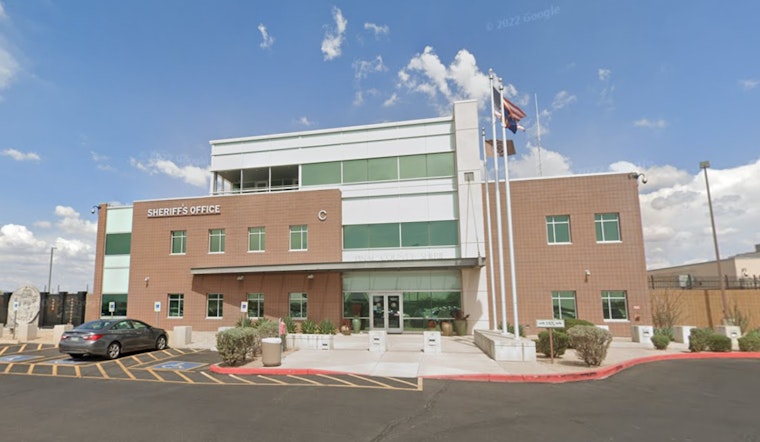
A January traffic stop in San Tan Valley ended with a 79-year-old deaf Lyft driver slammed onto the pavement, bleeding from handcuffs he says were cinched so tight they cut his wrists.
Tom Garro, a Sun City resident who has spent years behind the wheel for Lyft, says Pinal County sheriff's deputies took him down during a Jan. 9 stop while he was driving a passenger to a Walmart in San Tan Valley. Garro, who is deaf and uses American Sign Language to communicate, later told an interpreter the encounter left him shaking and too frightened to keep driving for the ride-hailing app.
According to Phoenix New Times, the deputy who pulled Garro over cited him for lacking valid insurance and for driving 60 mph in a 45-mph zone. Garro denies he was speeding and later showed proof of insurance coverage to a judge. The outlet reports that deputies threw Garro to the ground, pinned him against a pickup truck and handcuffed his hands behind his back so tightly that he bled. He was then taken to Banner Ironwood Medical Center for treatment.
Garro keeps a card in his car that reads "My name is Tom" so passengers and officers know he is deaf. He says that during the stop, the deputy kept talking while Garro gestured that he could not hear. "I understood nothing," Garro said through an interpreter as he recalled the encounter.
Over seven years driving for Lyft, Garro says he completed more than 13,600 rides and maintained a five-star rating. Since the January stop, he has not returned to the job.
Legal and records fight
Garro's attorney, Jesse Showalter, has filed a special action in Pinal County Superior Court seeking records from the traffic stop and has pressed the sheriff's office to turn over documentation, according to Phoenix New Times. Pinal County Sheriff's Office spokesperson Sam Salzwedel confirmed that the department received a public records request related to the incident but declined to comment further and said there is no active internal investigation into the deputies who handcuffed Garro.
Under Arizona law, someone seeking damages from a public entity generally must file a notice of claim within 180 days. See A.R.S. § 12-821.01.
Communicating with people who are deaf
The U.S. Department of Justice notes that law enforcement agencies are required to take appropriate steps to ensure effective communication with people who are deaf or hard of hearing and to provide auxiliary aids or qualified interpreters when necessary. Whether an interpreter is needed depends on the length and complexity of the interaction, according to the agency, and in many routine encounters written notes, video-remote interpreting or other aids may be appropriate alternatives. See the U.S. Department of Justice.
State resources and training
The Arizona Commission for the Deaf and the Hard of Hearing says it offers statewide resources, interpreter referrals and training to help public agencies communicate with Deaf and hard-of-hearing residents, according to ACDHH. Advocates point to straightforward steps, including communication cards, video-remote interpreting and regular training for officers, as ways to reduce dangerous misunderstandings during traffic stops.
What comes next
Garro says he is undergoing physical therapy and that his therapist has described his nightmares and other symptoms as consistent with post-traumatic stress. He says he plans to pursue legal action if the records he is seeking do not clarify the deputies' conduct during the stop.
The case highlights how quickly a routine traffic stop can escalate when officers and drivers cannot communicate and has prompted renewed calls from advocates for clearer protocols and better access to interpreters in the field.





