

























































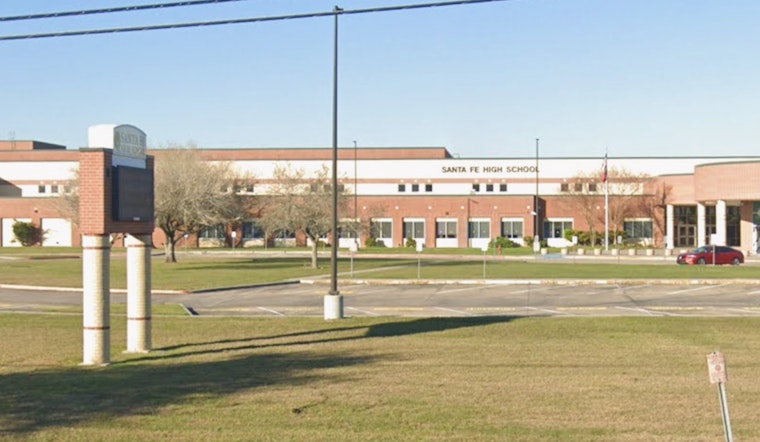
Nearly eight years after he ran toward gunfire at Santa Fe High School and was critically wounded, former school resource officer John Barnes is still locked in a grinding battle for disability payments. Barnes has undergone 11 surgeries and now has only partial use of his arm. Federal adjudicators, however, rejected his claim after concluding he could work because he briefly took a truck-driving job to make ends meet. The long delay has pushed lawmakers and public-safety groups to demand changes to how the benefits system treats injured first responders.
In a press release via Sen. Ted Cruz's office, Cruz and Sen. Kirsten Gillibrand announced the Officer John Barnes and Chief Michael Ansbro Public Safety Officers' Benefits Program Expansion Act of 2026. The bipartisan measure would broaden eligibility to cover officers who are permanently but not totally disabled and unable to return to public-safety work, and it would require the Bureau of Justice Assistance to complete benefit determinations within 270 days of receiving a complete claim.
Barnes' long fight for help
Barnes was the school officer who confronted the shooter at Santa Fe High School in May 2018 and suffered life-changing injuries. He later left policing, worked briefly for the school district, and then took temporary trucking work to pay the bills. As reported by the Houston Chronicle, Barnes' PSOB claim was denied after five years because reviewers decided his temporary driving job showed he could work, and he is still waiting on state and federal disability payments.
How the federal benefits program works and where it stalls
The Public Safety Officers’ Benefits program, run by the Department of Justice’s Bureau of Justice Assistance, provides one-time death and disability payments to eligible first responders, according to the program’s website. An Associated Press analysis found the caseload has surged and a big backlog has left hundreds of claims pending for more than a year and dozens stuck for five years or longer. Cruz and others say this bill is aimed squarely at that logjam.
What the bill would change
Under the proposal, partial PSOB eligibility would be extended to officers who are permanently but not totally disabled and unable to perform any gainful work as public-safety officers. The Bureau of Justice Assistance would be required to finish determinations within 270 days. Claims already certified by programs such as the World Trade Center Health Program or the September 11th Victim Compensation Fund would move faster under an expedited process. The bill also directs the Bureau of Justice Assistance to implement Government Accountability Office recommendations to tighten up and improve its procedures.
“Nearly eight years later, he is still waiting for the benefits he earned through his sacrifice,” Cruz said in the release, calling the delays unacceptable.
Next steps and local stakes
Representatives Dave Min and Randy Weber have introduced companion legislation in the House, and the Senate bill was filed and referred to the Judiciary Committee in February 2026, according to congressional records and the House press release. Law-enforcement groups, including the Fraternal Order of Police, have publicly backed the measure, arguing it would give officers and their families faster certainty after catastrophic injuries.
Even if the federal changes go through, Barnes still faces state-level obstacles. The Texas Teacher Retirement System requires 10 years of service to qualify for certain state protections, and Barnes had worked at the district only a few months after leaving the Houston Police Department, a detail highlighted in coverage of his case. That mix of federal and state rules is a big part of why advocates say both process tweaks and broader policy fixes are needed for officers hurt in the line of duty.





