

























































Seattle’s innovation engine - the university labs, research hospitals and startups that spin out of them - is sputtering as federal grantmaking slows and policy fights in Washington, D.C. hang over the sector. Scientists warn that delayed or reduced funding could stall experiments, pause clinical trials and squeeze the pipeline of new companies and jobs that helped turn the region into a global tech and life-science hub.
That tension is front and center in a new episode of KUOW’s Booming podcast, which asks what cuts to federal research funding could mean for Seattle’s future economy and why local institutions feel especially exposed, as reported by KUOW. The show walks through how decades of federal grants built the city’s scientific ecosystem and fueled the startups that emerged from university labs.
Funding crunch in plain numbers
National groups say the squeeze is hardly a Seattle-only problem. The Association of American Universities reports that NIH awards were down about 29% and NSF awards roughly 50% in 2025. The group’s brief also warns that proposed FY26 budget moves would cut core science programs and cap reimbursements that help pay for lab infrastructure, according to AAU.
Why UW matters to Seattle's economy
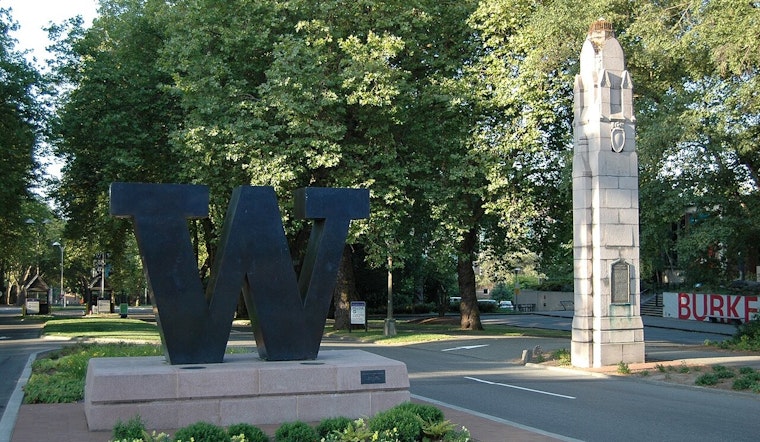
For decades the University of Washington has served as the region’s research workhorse, pulling in more federal research dollars than almost any other U.S. public university and seeding startups and jobs across the region, according to University of Washington. UW’s economic-impact analysis estimates the university’s contribution to the state’s economy at about $20.9 billion in fiscal year 2023, a reminder that a shock to grant funding would send ripples far beyond campus labs and classrooms.
Hospitals, labs and startups are already feeling it
Local heavyweights such as UW Medicine, Fred Hutch and Seattle Children’s rely heavily on federal grants, and those dollars cover clinical trials, graduate students, lab technicians and the indirect costs that keep shared facilities and compliance systems running. GeekWire reported that the region pulled in roughly $1.13 billion in NIH support in a recent period, and researchers say when that flow slows, hiring freezes, paused trials and tighter startup funding are never far behind, according to GeekWire.
Immediate impacts on people and projects
Researchers, postdocs and startup founders tell local reporters they are scrambling for “safe harbor” funds when federal awards stall, and those anxieties and early layoffs are already showing up in recent coverage. As KUOW notes, the uncertainty is slowing hiring and stretching timelines across campus labs and partner startups.
Where funding stands now
Congress ultimately pushed back on the steepest proposed cuts and approved a government funding package this winter that kept NIH funding near $48.7 to $49 billion. The president signed the measure, removing the most extreme threats to biomedical research, according to analysis from Axios. Still, experts warn that months of delayed awards, paused grants and ongoing policy uncertainty leave labs and the startups tied to them on shaky ground.
Local leaders say shoring up the pipeline will take steady federal appropriations and flexible bridge support from philanthropy and state partners while universities recalibrate budgets and priorities. For now, scientists and entrepreneurs across Seattle are bracing for a lean stretch and watching closely to see when, and how, Washington’s research engine finally gets refueled.




