

























































Seattle’s push to end traffic deaths just got a serious reality check, as city leaders moved this week to put the transportation department’s Vision Zero program under a microscope. A City Council member has asked the City Auditor to investigate whether the city’s safety efforts are really reaching the streets where people face the greatest risk, amid ongoing warnings that Seattle is still off track to eliminate traffic fatalities by 2030.
According to FOX 13 Seattle, the audit request came after officials acknowledged the city remains short of its goal to end road deaths. The outlet reported that the review could “help improve safety efforts moving forward” as elected leaders debate whether current tactics are actually delivering safer streets.
Chair Saka asks auditor to take a look
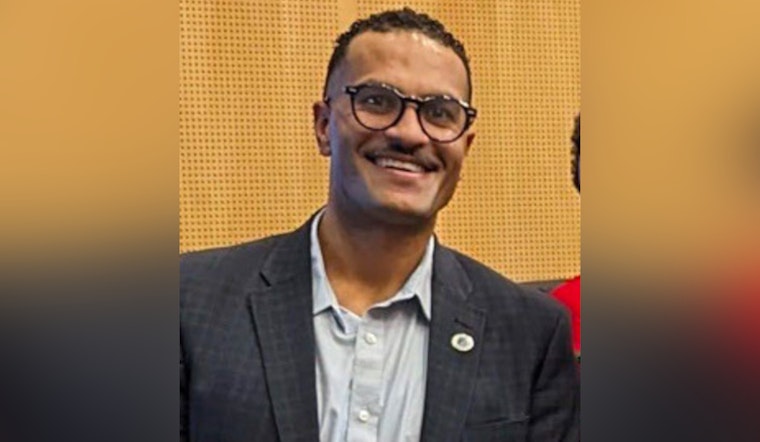
Councilmember Rob Saka, who leads the City Council’s Transportation, Waterfront and Seattle Center Committee, announced that he will request a performance audit of the Seattle Department of Transportation’s Vision Zero program. In a press release, he said, “This audit will help us take a hard look at what’s working, what’s not.” Seattle Bike Blog published the statement and reported that the review will center on whether safety resources are being sent to the highest risk locations.
Where Vision Zero stands
Last year, SDOT released a Vision Zero Action Plan update that details near-term strategies and dozens of projects aimed at cutting serious crashes, including corridor redesigns and expanded speed reduction tools. The City Council’s 2024 Transportation Levy set aside roughly $160.5 million for Vision Zero and related school and neighborhood safety work, a funding increase that the council says will accelerate improvements on the city’s most dangerous streets, according to the Seattle City Council. SDOT has pointed to the action plan as the roadmap for delivering these near-term safety projects.
What comes next
Saka told Seattle Bike Blog that the audit is already “in the auditor’s queue” and could pave the way for future legislation or budget shifts intended to speed up high impact street redesigns. If the City Auditor accepts the request, Saka’s release said the review would examine how SDOT measures outcomes, whether investments are actually targeting the highest risk corridors, and how the department balances engineering, enforcement and education in its safety strategy.
Residents and advocates who want to see where this goes should keep an eye on the Transportation, Waterfront and Seattle Center Committee, which meets on the first and third Thursdays at 9:30 a.m. The council posts agendas and livestreams of committee meetings on its website for anyone tracking the issue. For schedules and links, see the Seattle City Council committee page.



