

























































A tiny, secretive marsh bird is suddenly a big factor in the future of one of the Gulf Coast’s largest energy hubs.
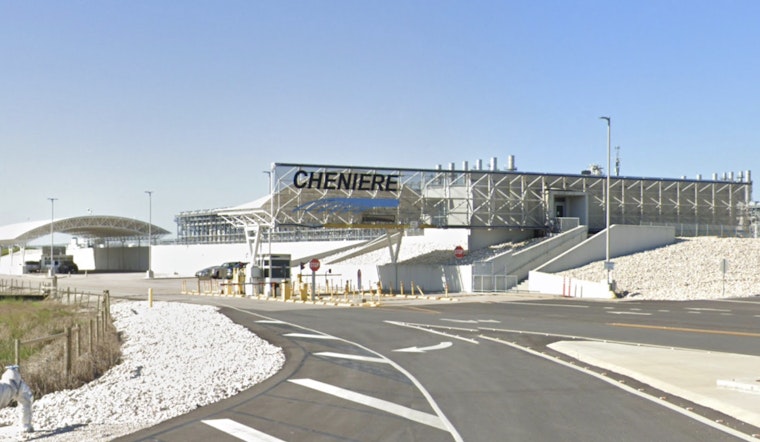
In a draft environmental review, staff at the Federal Energy Regulatory Commission (FERC) concluded that Cheniere Energy’s proposed Sabine Pass Stage 5 expansion is likely to adversely affect the eastern black rail, a diminutive marsh bird listed as threatened under the Endangered Species Act. The company wants to add three new liquefaction trains at its Sabine Pass terminal in Cameron Parish, a buildout that would boost the facility’s peak output by roughly 20 million metric tons a year. That finding, combined with a court ruling last summer and a new federal recovery plan, has thrown fresh spotlight on the Gulf Coast’s already stressed marshes.
In a draft environmental impact statement released in early April, FERC staff said most environmental impacts from construction would be temporary or short term. Even so, they concluded the project is “likely to adversely affect” the eastern black rail, recommended a suite of mitigation measures and said they will complete required Endangered Species Act consultations before any construction can start, according to FERC.
Cheniere’s filings describe Stage 5 as three new liquefaction trains, numbered 7, 8 and 9, along with related pipeline and compressor upgrades. The company says the expansion is being designed for about 20 million tonnes per year of LNG and that it updated its FERC application in June 2025 to match the current two-phased layout, according to Cheniere.
The conservation context in Washington is not exactly subtle. The U.S. Fish and Wildlife Service listed the eastern black rail as threatened in October 2020 and in August 2025 rolled out a draft recovery plan that sketches a 60-year restoration roadmap with an estimated price tag of roughly $420 million, according to the Fish and Wildlife Service and the agency’s earlier listing notice.
Legal stakes
Conservationists already have one major court win in hand. In July 2025, a federal court vacated the Fish and Wildlife Service’s decision not to designate critical habitat for the eastern black rail and ordered the agency to redo its analysis, a move laid out in a written opinion. That ruling forces a closer look at whether and where habitat for the bird should receive statutory protection.
“Protecting wetlands is essential if this secretive little bird is going to have a fighting chance to survive rising seas and relentless development,” said Kristine Akland, a senior attorney at the Center for Biological Diversity, after the ruling. The group hailed the decision as a milestone for rail conservation. The plaintiffs in that case, the Center for Biological Diversity and Healthy Gulf, have said they plan to keep pressing for habitat protections in places where the bird still occurs.
What regulators want on the ground
FERC staff and local coverage say the commission expects Cheniere to follow a thick playbook of oversight and mitigation steps during both construction and operation. Those measures include erosion and spill prevention controls, specialized construction methods in wetlands, horizontal directional drilling to limit disturbance at the surface, weed management, traffic plans and ongoing monitoring and inspections, according to New Orleans CityBusiness’ summary of the draft EIS.
Sabine Pass is also far from alone. Other proposed or expanded LNG terminals along the Louisiana and Texas coasts have faced legal and regulatory blowback over potential impacts to black rail habitat, a pattern that showed up again in recent coverage of the draft review. That broader push and pull between project timelines and habitat protections has become a routine feature of Gulf Coast energy permitting, as reported by E&E News.
What comes next
FERC’s draft EIS kicks off a public comment period that runs through May 26, 2026. The commission says it will weigh those comments alongside interagency consultations before issuing any final call on the project. Conservation groups, for their part, say they are not backing off and will continue to push for stronger habitat protections as the permitting schedule advances, according to the Center for Biological Diversity.





