

























































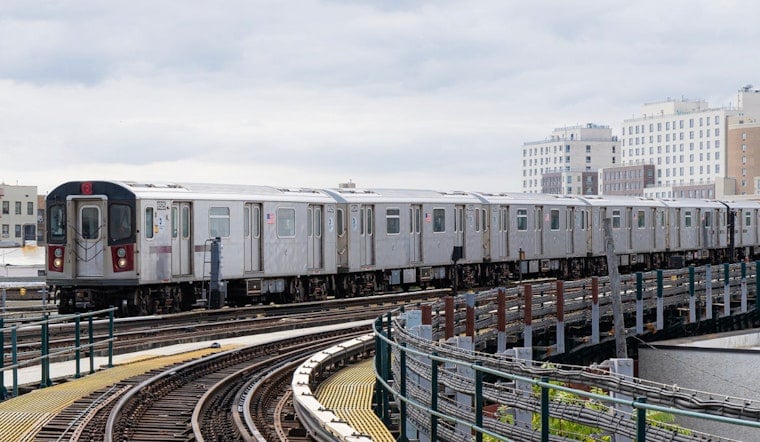
New Yorkers trying to get to work Monday morning ran headfirst into a full-blown subway mess, as a string of signal problems and medical emergencies rippled across the system. Trains on several major lines were slowed, held at chokepoints, or rerouted, leaving platforms jammed and morning routines wrecked right in the middle of rush hour. Transit crews and emergency responders spent the morning untangling incidents and trying to get service back on track, but delays stretched across multiple boroughs and into some of Manhattan's busiest corridors, tacking extra time and a lot of uncertainty onto the commute.
Where the Delays Started
According to Gothamist, the MTA first sounded the alarm around 8:15 a.m., reporting that the 2, 4, and 5 lines were delayed after a signal malfunction near the Nevins Street station in Brooklyn. At the same time, downtown B trains were backed up after first responders handled a medical emergency at Bedford Park Boulevard in the Bronx.
Problems did not stop there. The J, M, and Z lines ran into their own signal trouble on the Williamsburg Bridge, officials said, while Manhattan-bound E and downtown F trains were held when emergency workers assisted a passenger at Forest Hills–71st Avenue in Queens. The 7 train also slowed down after a police response at the 40th Street–Lowery Street station in Queens, adding yet another headache to an already rough morning.
MTA's Long-Term Fix
The MTA has been pointing to its next capital plan as the long-game answer to mornings like this. The 2025–2029 program calls for major signal modernization, including roughly a $5.4 billion effort to replace aging equipment and install communications-based train control on dozens of miles of track, according to reporting by 6sqft. Transit officials say those upgrades are meant to cut down on the kind of cascading outages that turned a handful of incidents into a citywide slowdown on Monday, but the work takes years of design, construction, and cutovers before riders feel a consistent difference.
Riders Felt the Ripple Effects
Riders told reporters they dealt with shoulder-to-shoulder platforms and wildly unpredictable travel times as trains were held in stations or rerouted around problem spots, a pattern that has become all too familiar on high-traffic corridors, Gothamist reported. Real-time transit apps lit up with alerts and detours, but alternate routes quickly clogged, and service changes left some passengers facing long hikes between platforms just to keep moving.
MTA crews and emergency responders stayed on scene into the late morning, working to clear signal problems and continue responding to the medical calls that helped trigger the slowdowns. While individual incidents were resolved on different timetables, the ripple effects lingered as dispatchers worked trains back into something resembling a normal flow.
Why Signal Trouble Matters
Transit analysts point out that signal failures are among the most disruptive kinds of breakdowns in the system. A single problem at a key interlocking can force dispatchers to slow or hold trains not only on one line, but across several connected routes, multiplying the impact of what starts as a localized fault.
A New York City Independent Budget Office analysis of subway delays found that signal issues rank among the top contributors to lost rider time and flagged the broader economic hit of repeated rush hour disruptions (New York City Independent Budget Office). That backdrop is a big part of why the MTA is pouring billions into signal work, even if no amount of modernization can prevent every medical emergency or police response from slowing things down.
What Riders Should Know
For now, commuters are being urged to keep a close eye on the MTA's live service alerts and to budget extra time on routes where incidents were reported, since residual delays can stick around even after crews clear the original problem. Officials recommend allowing more time than usual to get to work or school and looking for alternate routes where possible while the signal upgrade projects inch forward across the system.
We will keep tracking any additional updates from the MTA as remaining delays are resolved or if new service changes crop up in the wake of Monday's chaos.



