

























































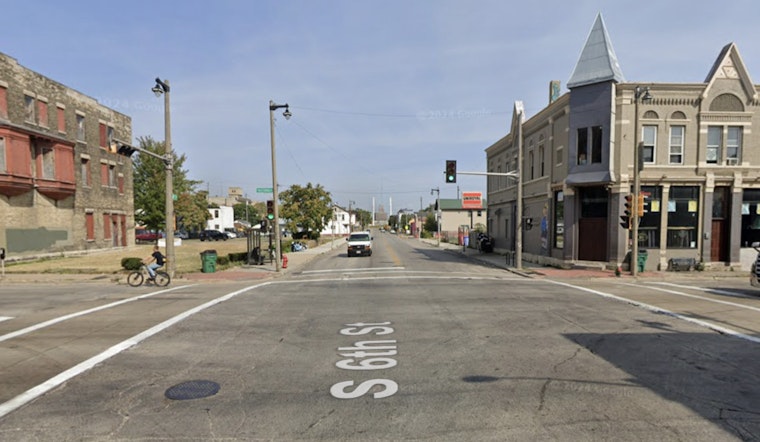
Milwaukee is asking residents to help rewrite the script for a long‑planned Sixth Street overhaul after Congress and the White House de‑appropriated much of the federal grant that was supposed to pay for it. Early concepts for the 2.6‑mile corridor between National and North avenues still feature protected bike lanes, dedicated transit space and more green infrastructure, but the sudden funding gap means the city may have to build the project in pieces instead of all at once. City staff held in‑person and virtual sessions this week, opened a public comment period and are now on the hunt for replacement cash.
Federal funding won, then pulled
President Joe Biden highlighted a $36.6 million Reconnecting Communities award for the Sixth Street redo during a March 2024 visit to Milwaukee, a boost that supporters said would cover most of the construction costs, as reported by WISN. Local officials later learned that much of that money was de‑appropriated when Congress passed H.R.1, a move city leaders described as a major setback for construction funding, according to Wisconsin Public Radio. The city is now left with planning dollars instead of the full capital stack it expected, and leaders are shopping around for other ways to pay for the buildout.
Designs show protected lanes and green space
As part of the 6th Street Next process, early design boards break the corridor into several segments and lay out a mix of potential changes, including narrowed travel lanes, converting parking to one side of the street, wider sidewalks and room for green infrastructure that can capture stormwater. Other options feature center‑running or curb‑running transit lanes, raised protected bike lanes, in‑lane bus boarding and curb extensions at high‑risk crossings. City officials say those features would improve safety and help reconnect neighborhoods. The draft concepts are posted on the project’s official page for residents to review and comment on.
Public meetings and what residents told planners
The Department of Public Works hosted a second round of outreach with an in‑person meeting on April 14 at the Central Library and a virtual session on April 15 to walk through the alternatives and gather feedback. According to the Milwaukee Journal Sentinel, residents focused on safer crossings, stronger bike connections and extended curbs near schools, and the paper reports that the public comment window runs through May 15, 2026. Project manager Dave Tapia told the Journal Sentinel that "each section may need its own funding sources and will be completed as additional money becomes available," a blunt acknowledgment of the city’s new build‑it‑as‑you‑can approach.
Planning money, not construction cash
The city currently has about $2.1 million from the U.S. Department of Transportation to cover preliminary engineering and the environmental report. That pot only pays for planning and approvals, not construction of the full corridor. With the construction dollars no longer part of the original federal award, officials say the most realistic path is to move design and environmental work forward now while chasing state, local and private funding to build segments over time. Safety upgrades and transit‑priority pieces would likely take the first spots in line. Exactly how the project is phased will depend on which sections land the next rounds of money.
How to weigh in
Residents can dig into the presentation materials and send in comments through the project’s online portal; the Milwaukee Journal Sentinel notes that the city has an online comment form and a May 15 deadline for this round of feedback. Planners say those responses will help narrow a preferred design and set the order for which parts of the corridor the city pursues funding for first. More public hearings are expected as designs advance and as Milwaukee works to turn the glossy drawings into actual construction bids.





