

























































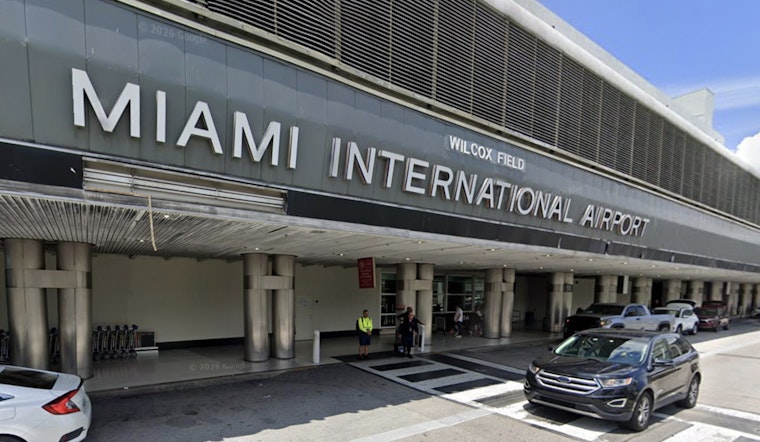
Miami International Airport is giving exhausted travelers a place to crash without ever leaving the terminal, and Miami‑Dade’s procurement team is cashing in on the idea. A new setup of sleep pods and suite‑style rooms in Concourse D is being pitched as both a comfort upgrade for passengers and a fresh, long‑term revenue stream for the county.
Contract and county record
According to Miami‑Dade County records, the Board of County Commissioners approved contract EVN0000237 with Hotelzo LLC d/b/a Wait N Rest, a concession the county projects will generate about $10 million over its initial five‑year term. Miami‑Dade County meeting minutes describe the project as a series of sleeping centers and quote Airport Director Ralph Cutié, who stressed that the offerings are “suites with more amenities and not just sleeping pods.” The contract moved through committee in May and won full commission approval in June 2024.
What travelers will find at MIA
The Concourse D facility, which opened in March, is built for travelers who want something between a lounge chair and a full hotel stay. The rooms come with hotel‑style beds, touchscreens for entertainment, and shared shower facilities that can be booked by the hour. AFAR notes that the spaces are designed for short daytime breaks or overnight rests and include customizable lighting and flight information so guests can keep an eye on departures while they sleep.
Industry coverage adds that the contract includes a guaranteed minimum of roughly $5 million over the first five years, along with a revenue‑share clause of about 25 percent of annual sales, whichever yields more to the county. Business Traveller
How procurement negotiated better terms
The Strategic Procurement Department (SPD) likes to say its job is to bring value and purpose to every sourcing decision while keeping the process fair, sustainable, and transparent. Those guiding principles, along with the naming of Namita Uppal as director and chief procurement officer, are spelled out by Miami‑Dade SPD.
Local reporting credits SPD with pushing for a stronger deal on the airport sleep rooms. Coverage notes that the county’s expected revenue share started at about 15 percent and was ultimately negotiated up to roughly 25 percent. The same reporting points out that since Miami‑Dade launched its INFORMS strategic‑sourcing platform, SPD has overseen tens of thousands of sourcing events, giving staff plenty of practice in sharpening terms before they ever reach the commission agenda. Miami's Community Newspapers
Panel and outreach for local firms
SPD is not keeping those playbook lessons to itself. The department is listed as a co‑host of a Startup Olé Miami panel on international procurement best practices that will bring together public officials and business leaders at the James L. Knight Center on Tuesday, April 21 at 9 a.m. The session is designed to help Miami‑based firms navigate public contracting and trade pathways and to give small vendors a rare, candid look at how airport and county concessions are bid and run.
County staff emphasize that training, vendor workshops, and onboarding sessions remain the practical first steps for any business that wants to compete for airport opportunities. The panel is one more way to demystify what can otherwise look like an insider‑only process.
Why it matters
Airport leaders frame the sleep‑room concession as a small but visible piece of a broader modernization push that brings in more non‑airline revenue while steadily upgrading passenger amenities. AFAR and related materials tie the new rooms to MIA’s multi‑billion‑dollar capital program, which is aimed at refreshing gates, lounges, and passenger services across the airport.
For procurement officials, the math is straightforward: when a concession proves popular, it delivers more predictable income for programs across Miami‑Dade. For entrepreneurs, the lesson is equally clear. Register on the county’s INFORMS supplier portal, show up for SPD workshops, and use the training resources that explain how to respond to RFPs. Staff say those unglamorous steps, not luck, are what win airport concessions and open long‑term business opportunities. The Startup Olé panel simply offers one of the easier venues for small vendors to meet procurement staff, ask detailed questions, and figure out how to compete for a slice of the next deal.





