

























































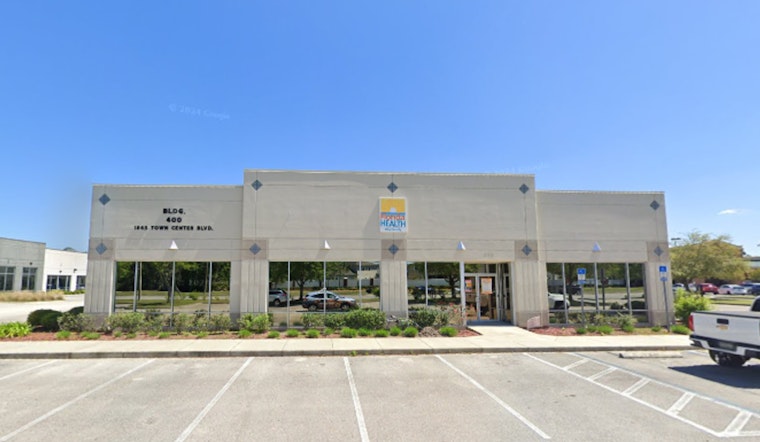
Clay County health officials are urging residents to steer clear of the center of Doctors Lake after a patch of blue-green algae turned up this week, triggering a public-health advisory and fast-tracked water testing. The Florida Department of Health in Clay County says the bloom may produce toxins and is telling people to treat the area as hazardous until lab results come back. Pets, livestock and anyone with heightened sensitivities are considered especially vulnerable, even when toxin levels are relatively low.
According to News4JAX, DOH-Clay is warning residents not to drink, swim, wade or use personal watercraft anywhere they can see blooms on the water. Boiling the water will not remove algal toxins, officials stressed. Anyone who accidentally comes into contact with discolored or foul-smelling water is advised to wash skin and clothing thoroughly with soap and fresh water and to keep animals away from any scummy or stained shoreline. Health officials added that fillets from otherwise healthy fish can still be eaten if they are rinsed well, gutted and cooked completely, but shellfish from the area should be skipped.
How testing and reporting works
State environmental crews are on the water collecting samples, and the Florida Department of Environmental Protection posts toxin test results on its Algal Bloom Dashboard as well as the statewide Protecting Florida Together portal. Follow-up sampling at the Doctors Lake center site is already underway, and local health officials say they will update residents once lab analyses are finished. For more detail on potential health impacts and formal recommendations, the Florida Department of Health points people to its aquatic toxins page.
Who to call and when
If you or a pet start showing symptoms after contact with water that may be contaminated, human health concerns should be reported to the Florida Poison Information Center at 800-222-1222 and to DOH-Clay at 904-278-3784, as reported by News4JAX. Dead, diseased or strangely behaving fish should be reported to the Florida Fish and Wildlife Conservation Commission’s Fish Kill Hotline at 800-636-0511, or via an online report at MyFWC. Local officials say quick reports from the public help them target sampling and respond faster to protect public health.
A recurring problem
Doctors Lake is no stranger to this kind of trouble. County press releases and DEP weekly summaries have flagged the lake’s center as a repeat bloom site in past summers. Earlier DOH-Clay alerts and DEP lab notes have at times turned up trace levels of toxins there, one reason authorities treat new resident complaints as a serious signal rather than a one-off fluke. That history makes it especially important for boaters and shoreline residents to stay alert while the current round of testing continues.
Practical steps for residents
Residents are urged not to enter, or let pets enter, any water that looks discolored, foamy or has a strong, unpleasant odor, and to keep dogs leashed and away from the water’s edge. If you spot something that looks like a bloom, take a photo from shore, jot down the exact location and report it so crews can get samples quickly. While the lab work is in progress, locals are encouraged to keep an eye on official updates posted through Protecting Florida Together.




